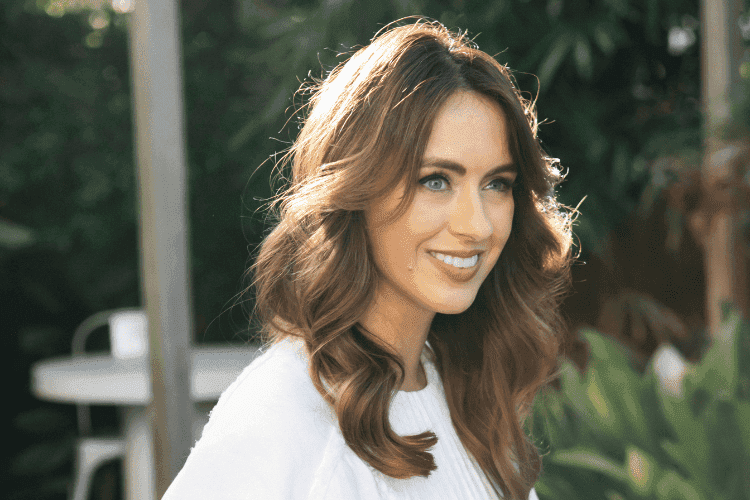
In the aftermath of treatment for breast cancer, Colette Harvey shares the things she found hardest to write: what not to say to someone with cancer, what she wishes more people knew, and why the end of treatment can be the hardest part.
There are things I have debated writing about in my Beauticate articles. Like breaking my ankle thanks to two very naughty puppies on my first attempt at a proper beach walk after chemo. Or arriving in Byron, only to find myself in hospital 45 minutes later having my hand stitched back together.
Apparently, after cancer, surgery, chemo and radiation, I still hadn't quite reached my medical quota for the year. But there are other things I have found much harder to write about.
Like working through a cancer diagnosis and treatment, which has been one of the most challenging experiences of my life for reasons that have very little to do with the actual work.
How Does a Cancer Diagnosis Change Your Relationships?
Cancer creates a strange clarity around relationships. There are the people who really, deeply show up for you – and there are people who, for whatever reason, simply don't have the capacity to show up in the way you thought they would. That can hurt.
But then something beautiful happens too. You meet people you never expected to meet. Women walking their own version of this road who somehow understand you without needing an explanation. Friendships can form incredibly quickly because there is no small talk required. You just know. Some of those women, I know, will be my friends for life.
Something else nobody really prepares you for is how frightened the people around you can be. Your husband, your parents, your siblings or your closest friends are more terrified of the possible outcome than you are. They don't always know what to say. They don't know how to process it. And, to be fair, neither do you.
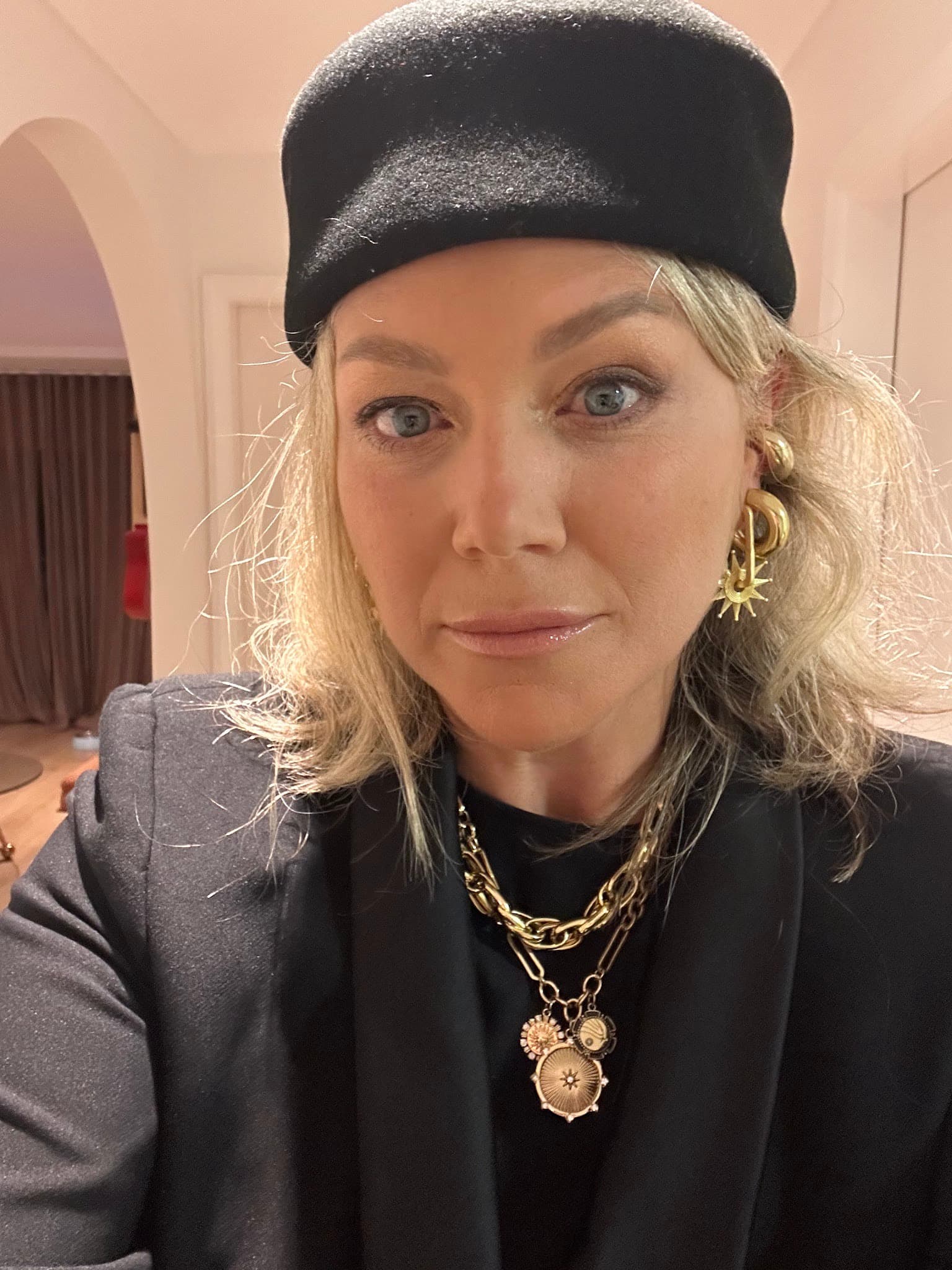
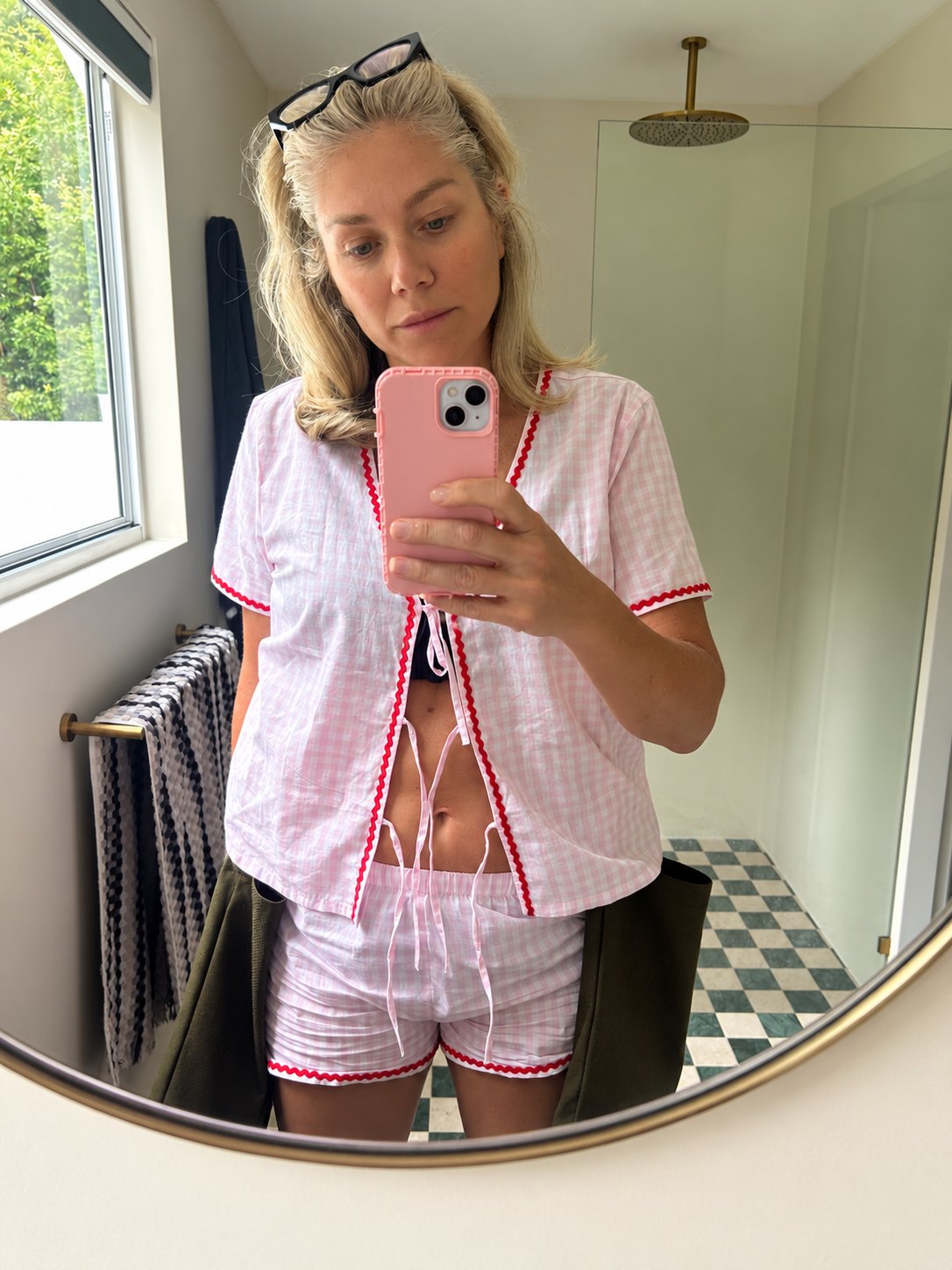 A mirror selfie at home.
What Not to Say to Someone With Cancer
Which brings me to something I have desperately wanted to write for months: Things not to say to someone who has just been diagnosed with cancer.
"My aunt died of that."
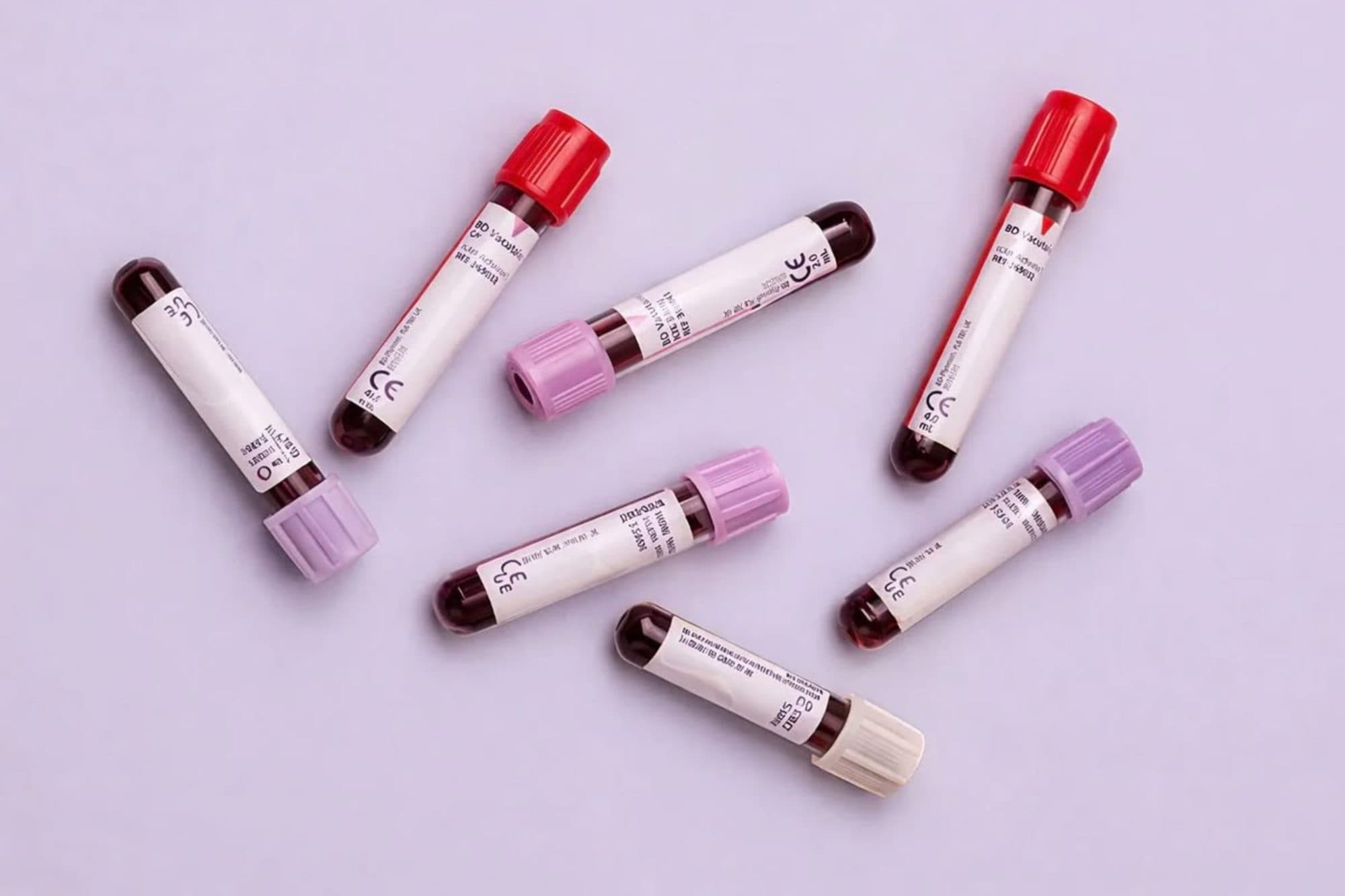
Please don't. I am very, very aware that cancer kills people. I have lost someone incredibly close to me to this disease – the mother of my brother and sister. It is actually one of the reasons I was so diligent about checking my breasts long before the age at which regular screening is recommended. I know what cancer can do. When someone has just been diagnosed, they don't need another worst-case scenario to add to the 4am Google search already happening inside their head.
"Well, at least you get new boobs."
No, buddy. A mastectomy is much closer to an amputation than a boob job. Yes, reconstruction can be incredible. Yes, I am grateful for what modern medicine has been able to do for me. But I also lost my breasts. I lost sensation. There are things I will never feel in the same way again – including something as simple as my son's hair against my chest when he cuddles me. There is nothing cosmetic about that loss.
"At least you get time off work."
Again, no. Cancer is extraordinarily expensive. This year alone, I have paid close to $50,000 in treatment and associated costs, and even now I spend, on average, around $500 a week on things I cannot claim back. And that's before you calculate the cost of not working normal hours, appointments in the middle of the day, recovery time, after-school care, travel and all the invisible expenses that quietly accumulate around being sick. This isn't annual leave.
"Have you tried...?"
Unless you are my oncologist, probably not. Everyone means well. I understand that. But I made a very conscious decision early on that I was going to listen to the people who had studied this disease for more than a decade, devoted their careers to treating it, knew my pathology and understood my individual case. I had to trust them to get me through it.
What Should You Say to Someone Who Has Been Diagnosed With Cancer?
So what should you say? Honestly, something incredibly simple: "That's really shit. I'm here if you need anything." And then – this is the important bit – check in again. Because the person going through it probably won't ask for help. Especially if they're a stubborn Taurus like me.
Things I Wish More People Knew About Cancer
Cancer Is Not a Life Sentence for Everyone
I say that carefully because I know, very personally, that people die from this awful disease. But I also think newly diagnosed women need to hear the other side. Treatments are changing. Research is progressing. Doctors know more than they did even a few years ago. And I am incredibly fortunate to be one of the women who has benefited from that.
How Common Is Breast Cancer in Australia?
Today, around one in seven Australian women will be diagnosed with breast cancer in their lifetime. One in seven. Next time you're sitting around a table having lunch with your girlfriends, look around. It's an extraordinary number. And sadly, while the number of diagnoses continues to grow, thankfully so does the research into how we detect and treat this disease.
Ed's note: Breast Cancer Network Australia, citing Australian Institute of Health and Welfare data, puts the lifetime risk of a breast cancer diagnosis at 1 in 7 for women. Read BCNA's breast cancer in Australia overview.
Chemo Isn't Always Debilitating
At least, it wasn't for me. There were shit days. Of course there were. But there were also normal days. I worked. I laughed. I went out. I parented. I built things. I lived my life. Before chemo, I had created this terrifying picture in my head of what those months could look like. My experience didn't always resemble that picture. Everyone responds differently, and I think that's important for newly diagnosed people to hear.
Radiation Can Actually Be Lovely
Yes. I wrote that. The team at ICON Cancer Centre in Gosford are some of the most wonderful humans I have ever met. There is something very strange about walking into a cancer centre every day and genuinely looking forward to seeing the people inside it. But I did. They made something frightening feel normal. Sometimes even funny. And I will never forget them for that.
Doctors Can Start to Feel Like Your Best Mates
I have two doctors I see regularly, and I swear there are appointments where I leave (and might say out loud), Wouldn't it be nice if next time we could just do this over margaritas? We all know that's never going to happen. But I also genuinely know that they care about me. Not just about my scans or my pathology or whatever number happens to be on the blood test that day. About me. My life. My family. My future. There is something comforting about that.
Why Can the End of Cancer Treatment Be the Hardest Part?
And perhaps the biggest surprise: the end can be the hardest part. This is the part I didn't expect. When you're diagnosed, there is a plan. Surgery. Recover. Another surgery. Chemo. Recover. Radiation. Appointments. Blood tests. Scans. Specialists. You put your boxing gloves on and you fight whatever is directly in front of you. Every. Single. Day. Mentally. Emotionally. Physically. Then one day, everyone starts telling you it's over. And you're standing there thinking: What the fuck just happened?
Last week I had another procedure to investigate some bleeding, check my bowel and other organs. Strangely, I didn't spiral (it's OK we got the all clear!). Somewhere inside me, I knew: It's not cancer this time. But since then, I have found myself waking up in this strange daze, trying to make sense of the last eight months.
A girlfriend recently told me she thinks I dissociated my way through parts of this year. I think she's absolutely right. I had to. There wasn't time to process everything while it was happening because I was too busy getting through the next thing.
Now I'm learning how to live without constantly waiting for the next appointment. I'm trying to feel comfortable in social situations again. I'm making plans so I have things to look forward to. I'm trying not to be angry with the people who didn't show up for me in the way I thought they would. I'm trying not to be angry that this was my 2026.
And I'm making changes. Big ones. I'm leaving environments that don't feel good anymore. I'm stepping away from situations and people that no longer align with the life I want to build. Cancer has made my tolerance for things that make me unhappy remarkably low. Maybe that's not such a bad thing.
What Does Chemo Do to Your Hair?
Nobody warns you what it does to the outside of you either, and I don't just mean the scars. I cold-capped, strapped into that machine that felt like dry ice straight to my scalp for about 8 hours each session, telling myself it was worth it. Ten weeks after my last chemo, my hairdresser Jess ran her hands through what was left and told me straight: 60 to 70% has gone. Not bald. Just thin. Wrecked. The kind of hair that used to hold a curl for two days now resembled a scarecrow.
And then there's the bit nobody mentions at all: the grey. Not "a few grey hairs" – mine went white overnight. Follicle trauma, apparently. Something about the shock knocking the pigment out. So I did what I do. I found the people who could help and I said yes to all of it. A full day – genuinely, a full day – of mesh integrated extensions with Jess from Headcase Hair Paddington. Mesh base, a silk closure sewn down on top, wefts underneath for the fullness and length I had lost.
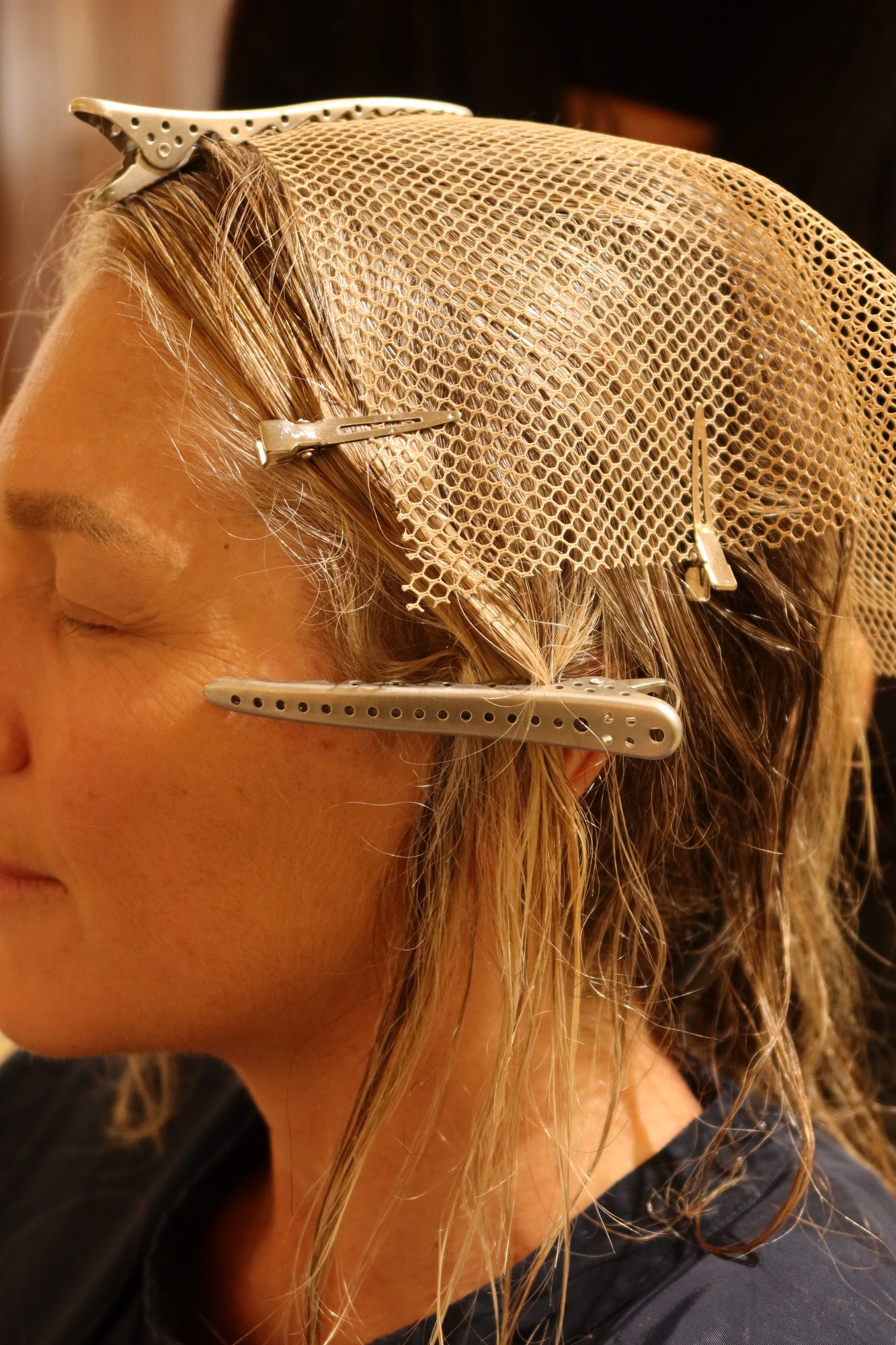
The mesh base goes on first.
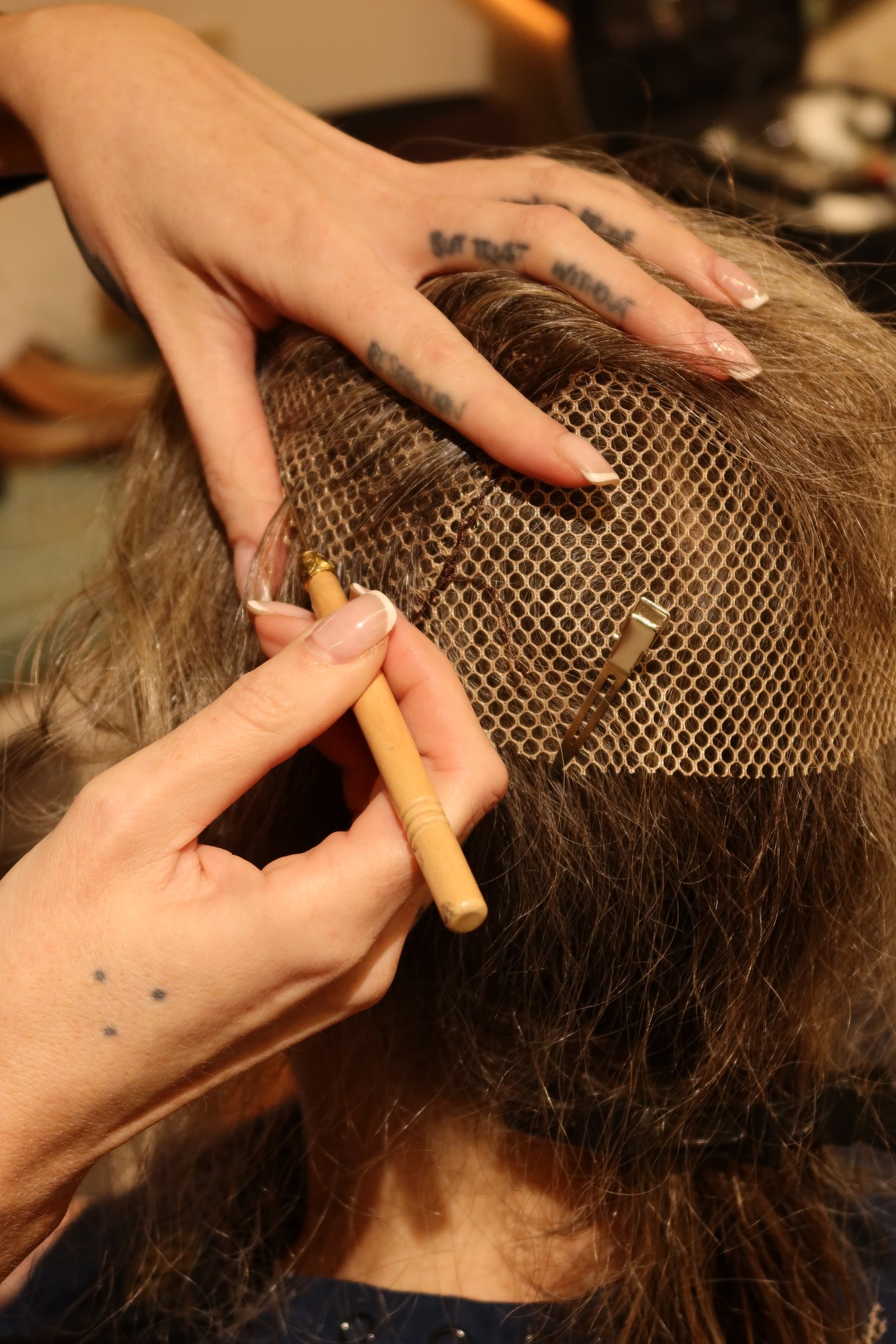 Attaching the hair to the base.
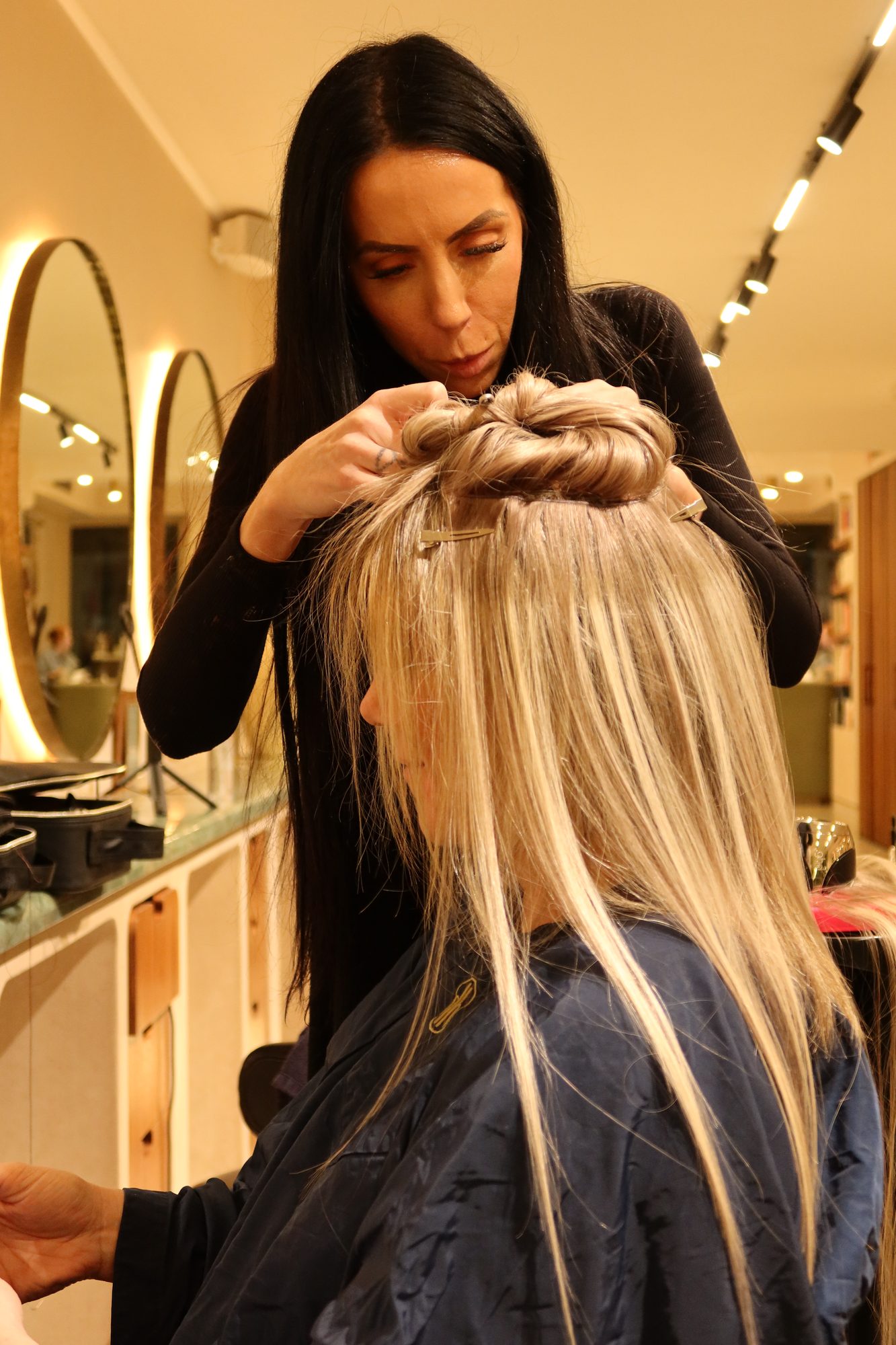
A full day in the chair.
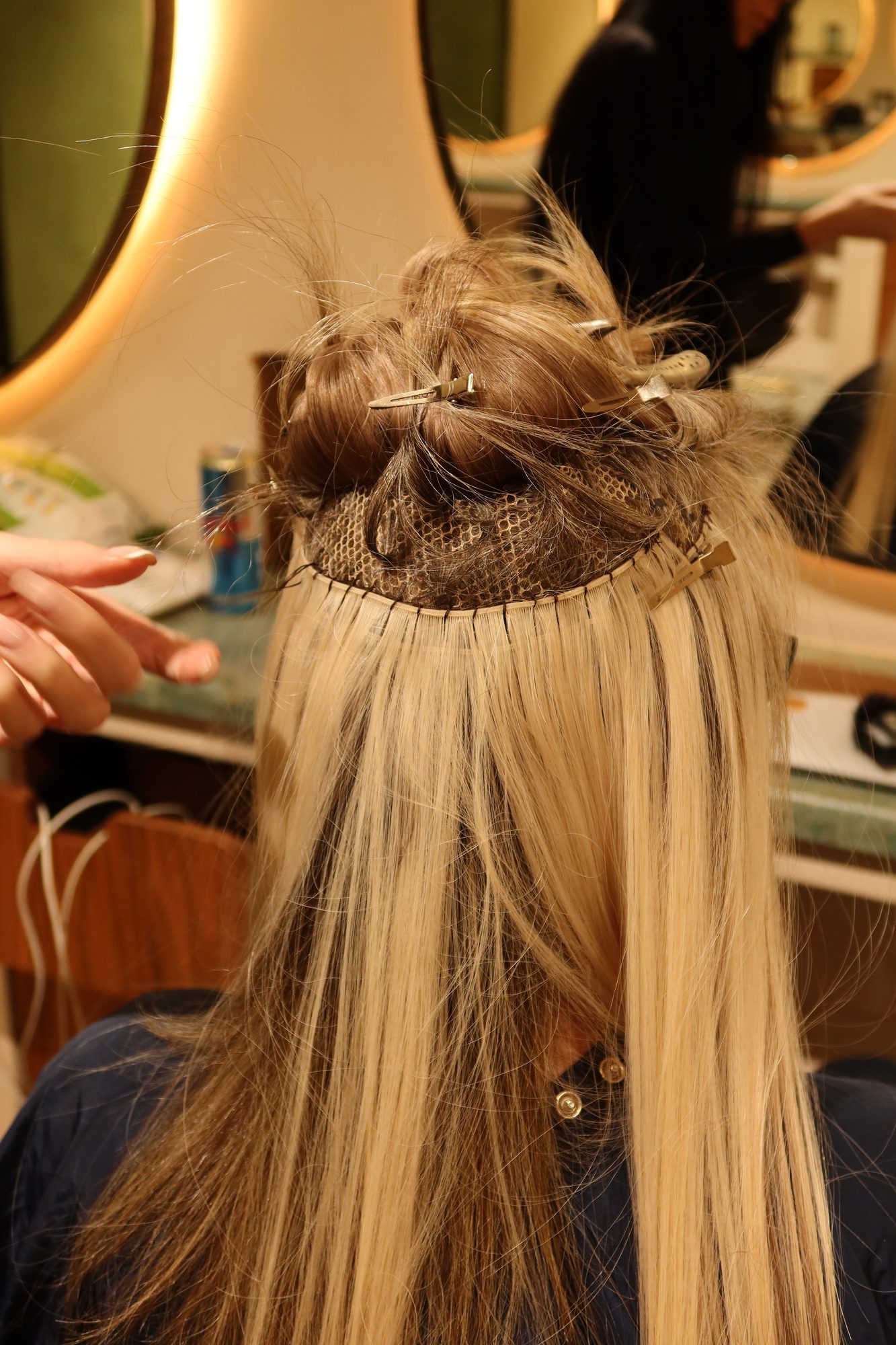
Wefts underneath for the fullness and length I had lost.
And perhaps most importantly, Jess somehow managed to turn me a bright shade of blonde again without destroying the hair I had left. I sat in that chair for the first time in over a year, looked in the mirror and thought: There you are (sobbing). There's maintenance involved – refits every 4–5 weeks, a new wash routine and a little more care – but after everything my hair has been through, I'm strangely happy to give it the attention. It feels like another small part of finding my way back to myself.
How Do You Look After Your Skin During and After Chemo and Radiation?
My skin was another story. Throughout chemo and radiation, I could barely use anything. My skin became incredibly reactive, so I stripped everything right back and stuck to my FUCA products. This was definitely not the year for experimenting with actives. When I finally came out the other side of chemo and radiation, I went to see Vita at Dolce Vita – my skin angel – and essentially handed my face over to her. She put me on what we jokingly called a 12-week skin-saving journey. The whole approach has been about rebuilding rather than attacking. Slowly. Carefully. Listening to what my skin can actually handle rather than throwing everything at it because I desperately want my old skin back. I have moved onto the blue RATIONALE range, and we are gradually increasing what I can use as my skin gets stronger. I have always been absolutely obsessed with Biologique Recherche – give me everything – although it is going to be a while before my beloved P50 and I are reunited. Apparently patience is yet another thing cancer is trying to teach me. When I see Vita, there is no aggressive treatment or trying to force my skin into submission. She cleanses it properly, uses red light therapy, and then basically floods it with moisture and nourishment. And my skin is slowly coming back. There is something quite emotional about that too.
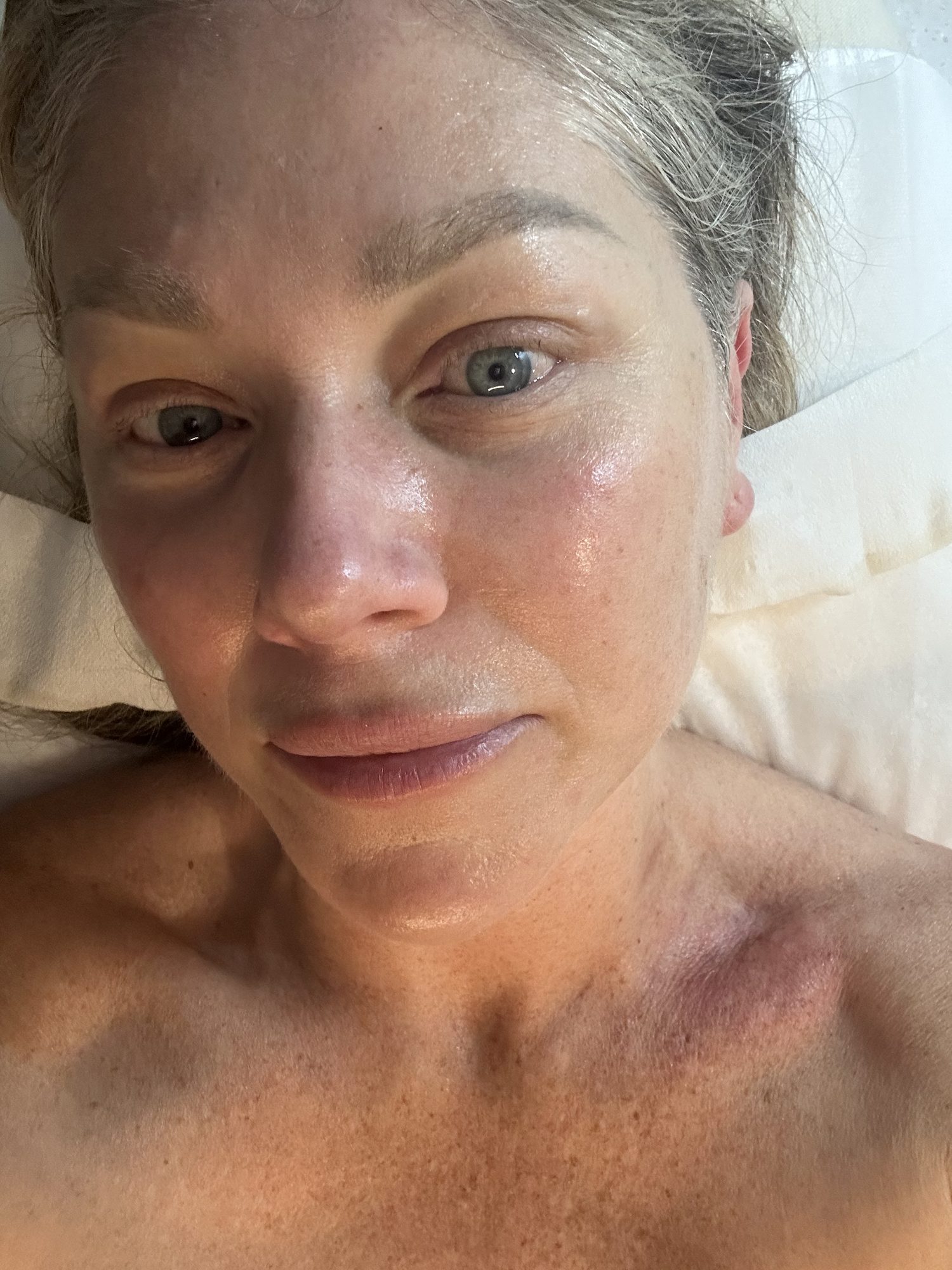
Cancer treatment changes so much about the way you look, that these things can sound incredibly superficial until you are the person staring back at yourself in the mirror. The hair. The skin. The scars. The grey regrowth. The body that suddenly doesn't quite feel like yours. For me, seeing Jess and Vita hasn't been about trying to erase what happened. It has been about slowly recognising myself again. And I think there is something really important in that. Recovery isn't only medical. Sometimes it is your oncologist. Sometimes it is the person who gets you through radiation. And sometimes it is the woman who turns you blonde again!
Find your people. Mine helped me find my way back to myself. And then there is the thing I never expected to come from any of this.
Ed's note: This is Colette's personal experience, not medical advice – speak to your own treatment team about what's right for you.
How Did Colette Start Hotel PÓCAR?
I started a little business.
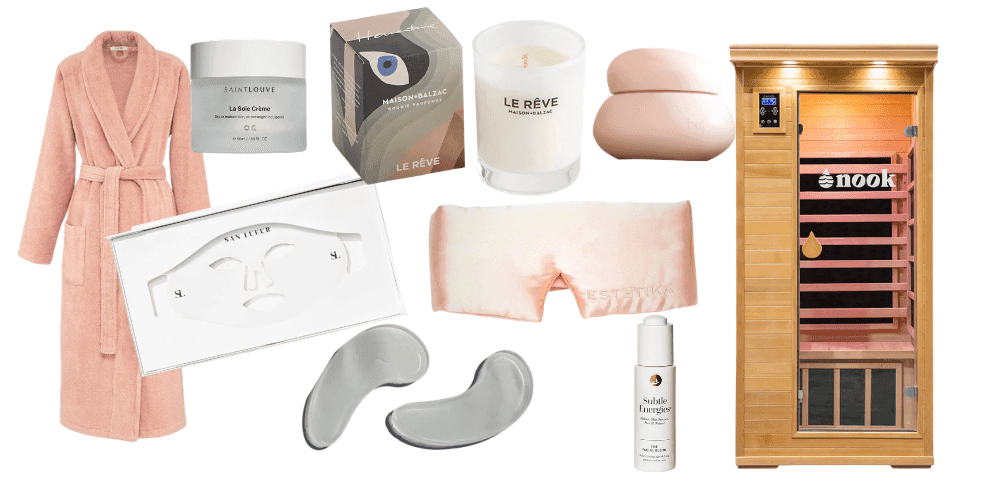
Very early in my recovery, I noticed this enormous gap. I could access extraordinary medical care, but when I went home, I couldn't find the things I actually wanted to support my recovery. Everything felt clinical. I wanted things that were practical, yes, but I also wanted to feel like myself. I wanted recovery to feel a little softer. A little lighter. A little less like being a patient. So during the sleepless nights, I started tapping away on my laptop. I sketched things. I researched. I designed the things I wished I had.
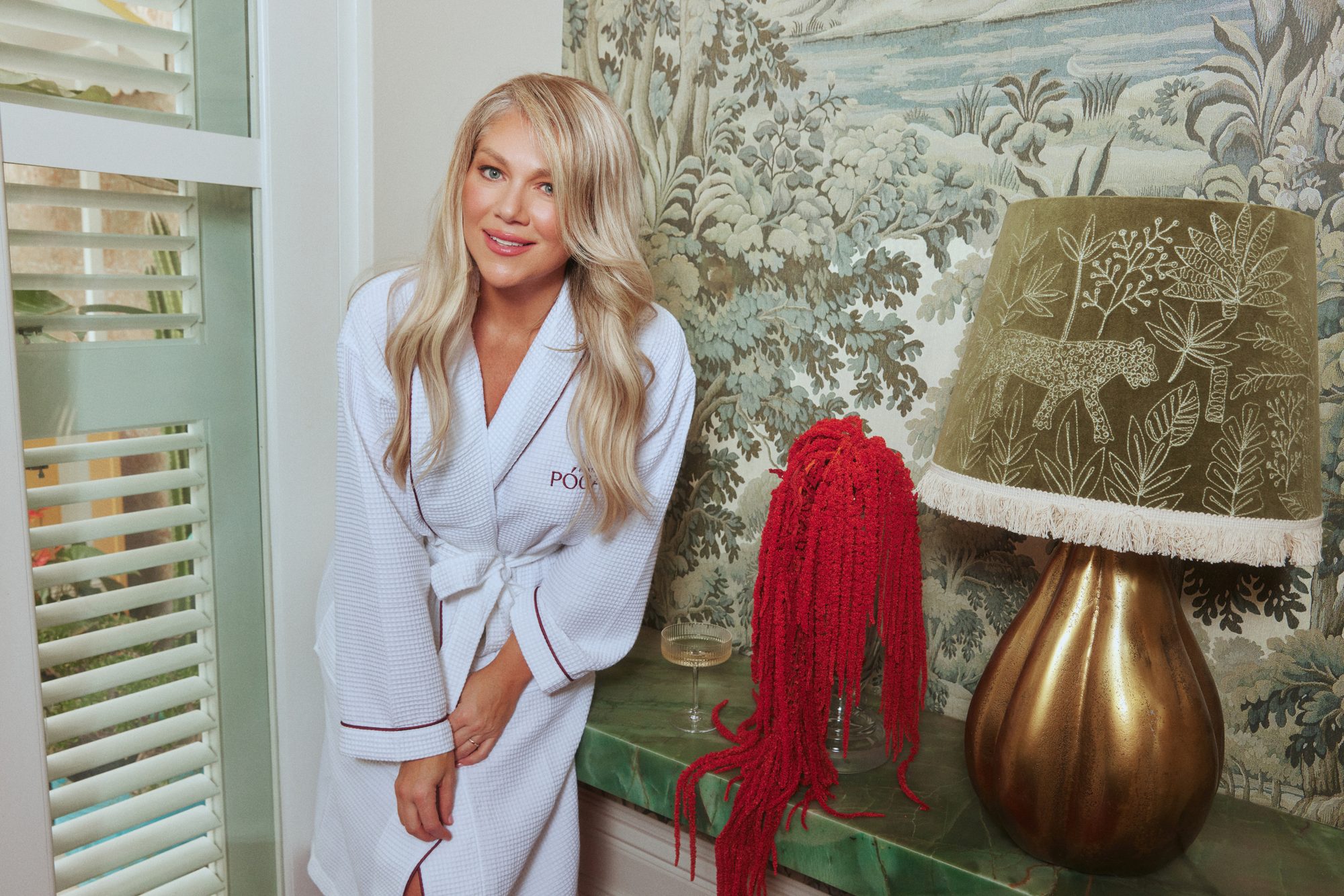
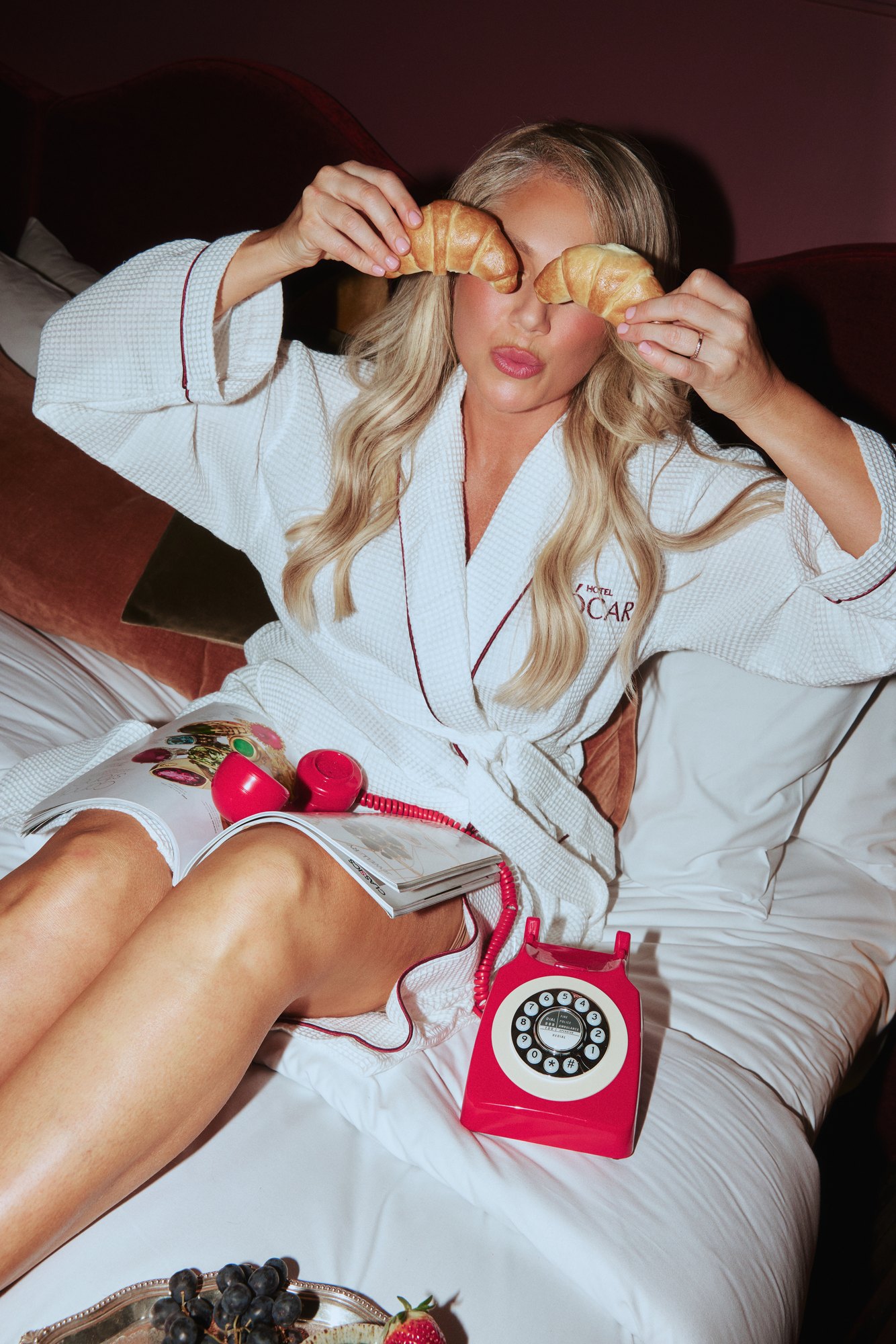
Hotel PÓCAR.
And somewhere amongst the surgeries, chemo, radiation, appointments, tears, ridiculous accidents, more tears, two new puppies and more medical waiting rooms than I care to count, Hotel PÓCAR was born.
I don't believe everything happens for a reason. I don't think I needed cancer to teach me some profound lesson, and I certainly wouldn't choose to do any of this again. But it happened. And somewhere in the middle of it – between the hairdresser's chair, my skin glow-up, the boxing gloves I didn't know I still had on – I found my way back to something that felt like me.
How Can You Support Someone With Cancer?
Eight months ago, I was trying to work out how I was going to get through cancer. Now I'm starting to work out what I want to do with everything that came after it. So if you know someone who has become that one in seven – a friend, a sister, a mum, a partner, or maybe it's you – don't wait for the perfect words. You probably won't find them. Just show up. And keep showing up. That's the whole thing, really.
Ed's note: If you're looking for more from Beauticate this Breast Cancer Awareness Month, see our edit of mastectomy swimwear.
Things I'd Recommend to Anyone Going Through Cancer Treatment
These are the little things that made a genuinely big difference to me – or that I wish I had known about from day one. If someone you love has just been diagnosed, consider this my very unofficial cancer care package:
- Lula Unscented Self-Warming Eye Mask – one of my absolute favourites for chemo days, hospital stays and nights when switching off felt impossible. I particularly loved the unscented version when I was sensitive to smells.
- FUCA Skincare – what I stripped my routine back to when my skin could barely tolerate anything.
- MooGoo Milk Shampoo + MooGoo Cream Conditioner – gentle hair care became everything during chemo and cold capping.
- Mini + Me Hydramama – hydration became a non-negotiable for me during treatment, and this made getting electrolytes in so much easier.
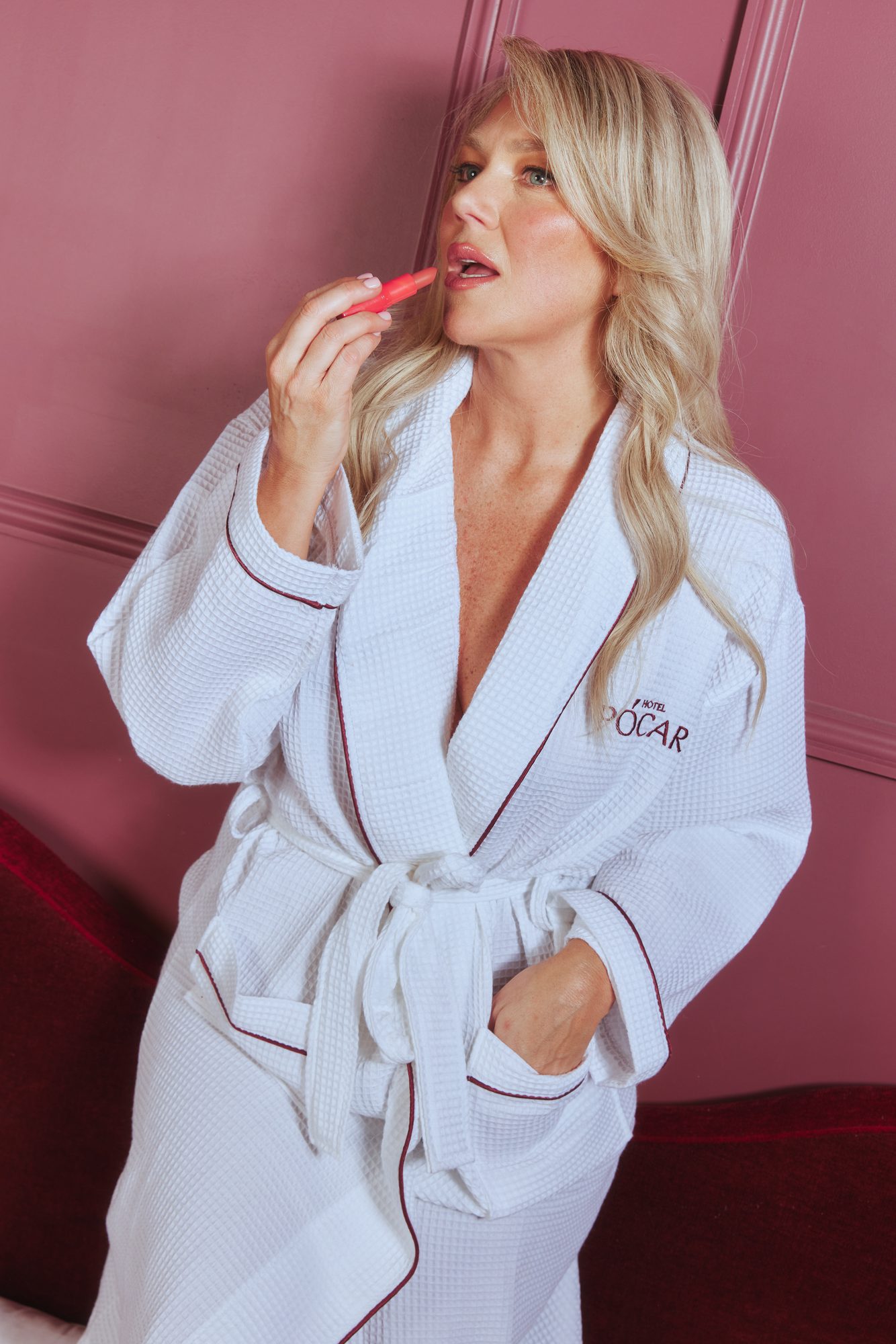
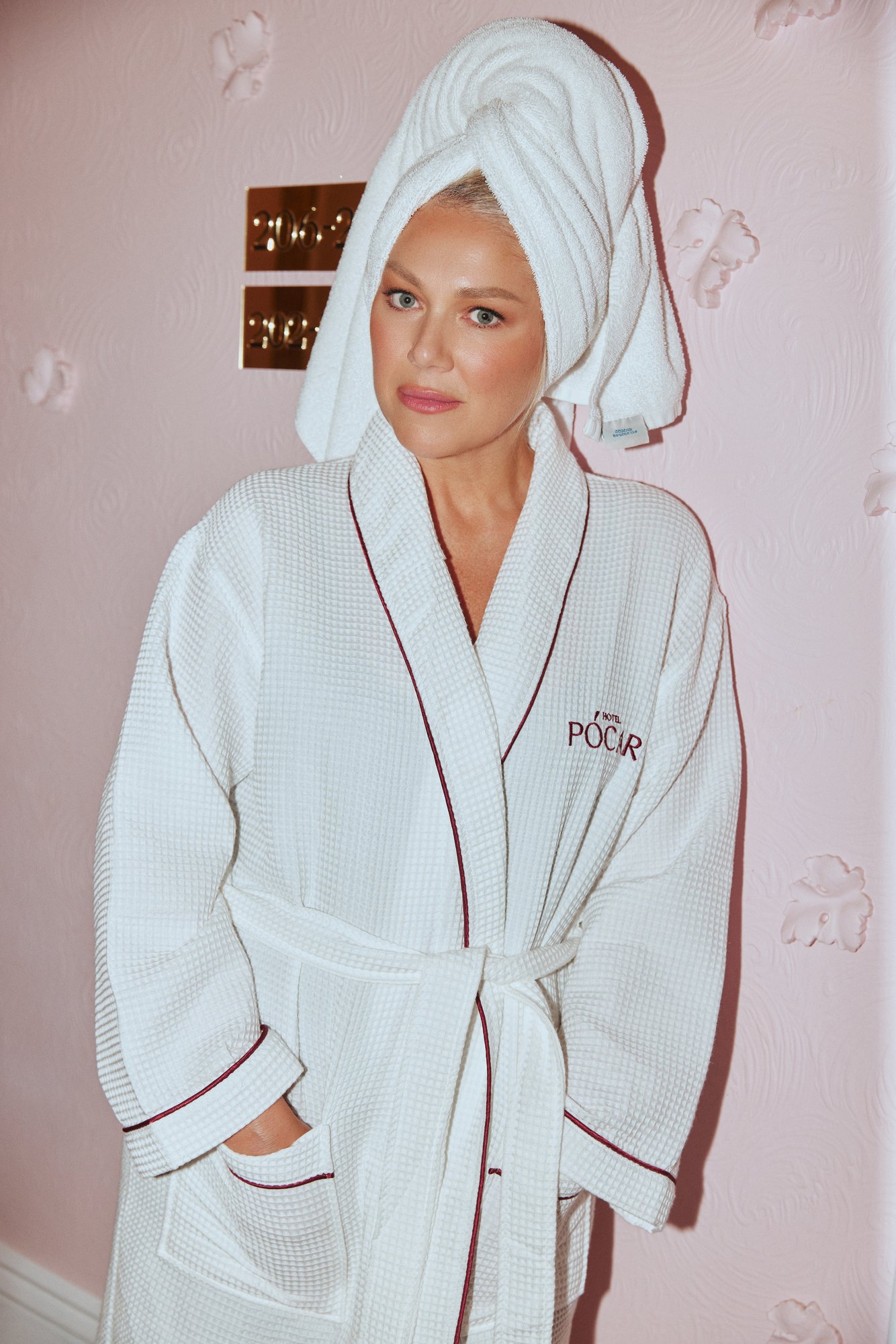
- Hotel PÓCAR Recovery in Progress Robe – because sometimes you want to be comfortable without feeling like a patient.
- Hotel PÓCAR FCK CNR Hat – for the days when those are genuinely the only words required.
- Hotel PÓCAR Drain Belt – coming soon – born from the thing I desperately wished I'd had after my mastectomy.
- Chief Grass-Fed Collagen Protein Powder – Unflavoured – a really simple addition to my routine. I could throw it into coffee, smoothies or pretty much anything without thinking about it.
- BOUF Wide-Tooth Shower Comb – chemo hair needs to be treated like tissue paper. No unnecessary pulling, tugging or brushing.
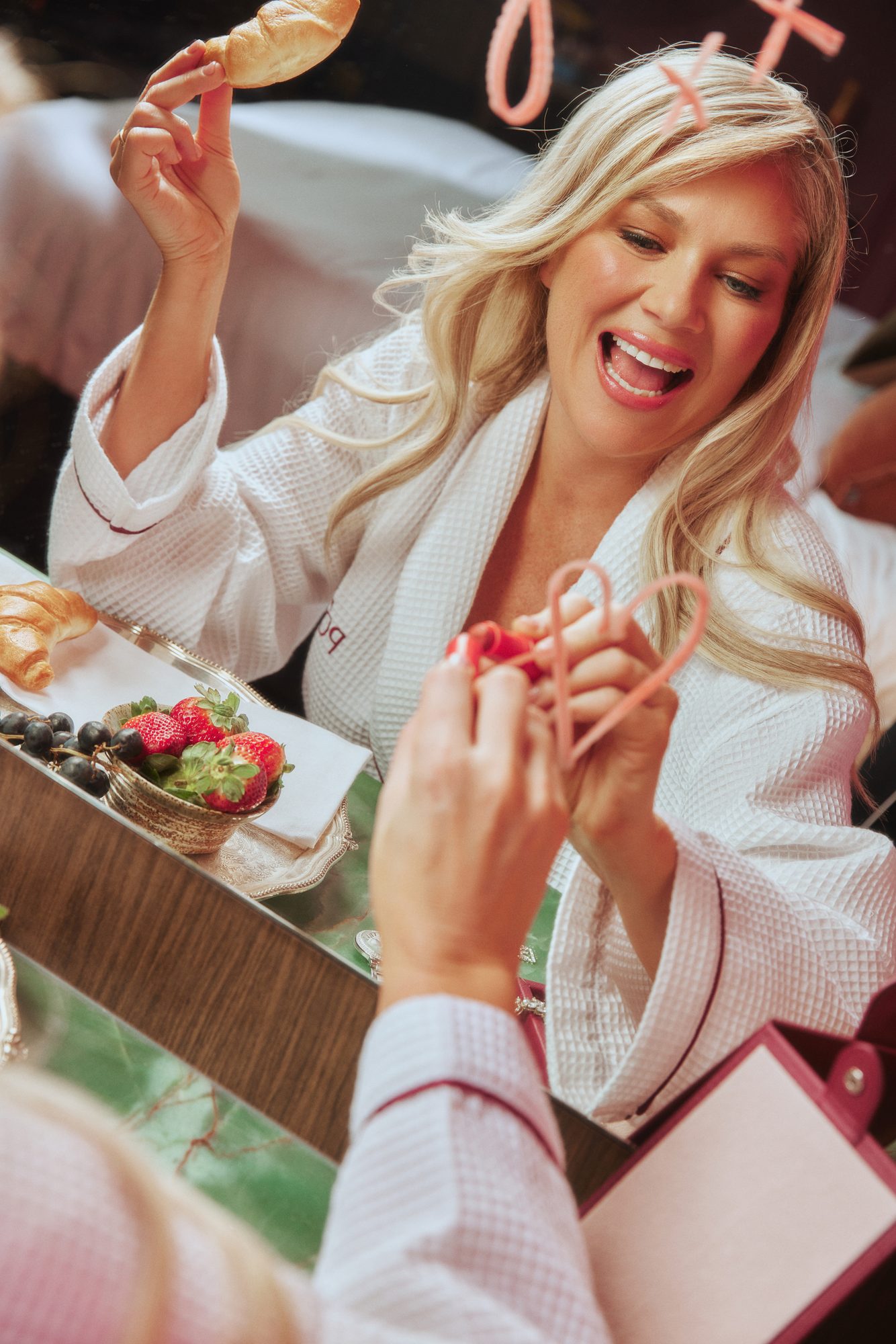
- Booking a post-treatment photoshoot with your family or partner. Joe and I booked the Medusa Hotel in Sydney with photographer Amy Hibbard, and I couldn't recommend it more. After eight months where my body had felt like it belonged to appointments, treatment and recovery, it felt incredibly powerful to be photographed simply as myself again – with the person I love, celebrating how far we'd come and capturing the beginning of something new.
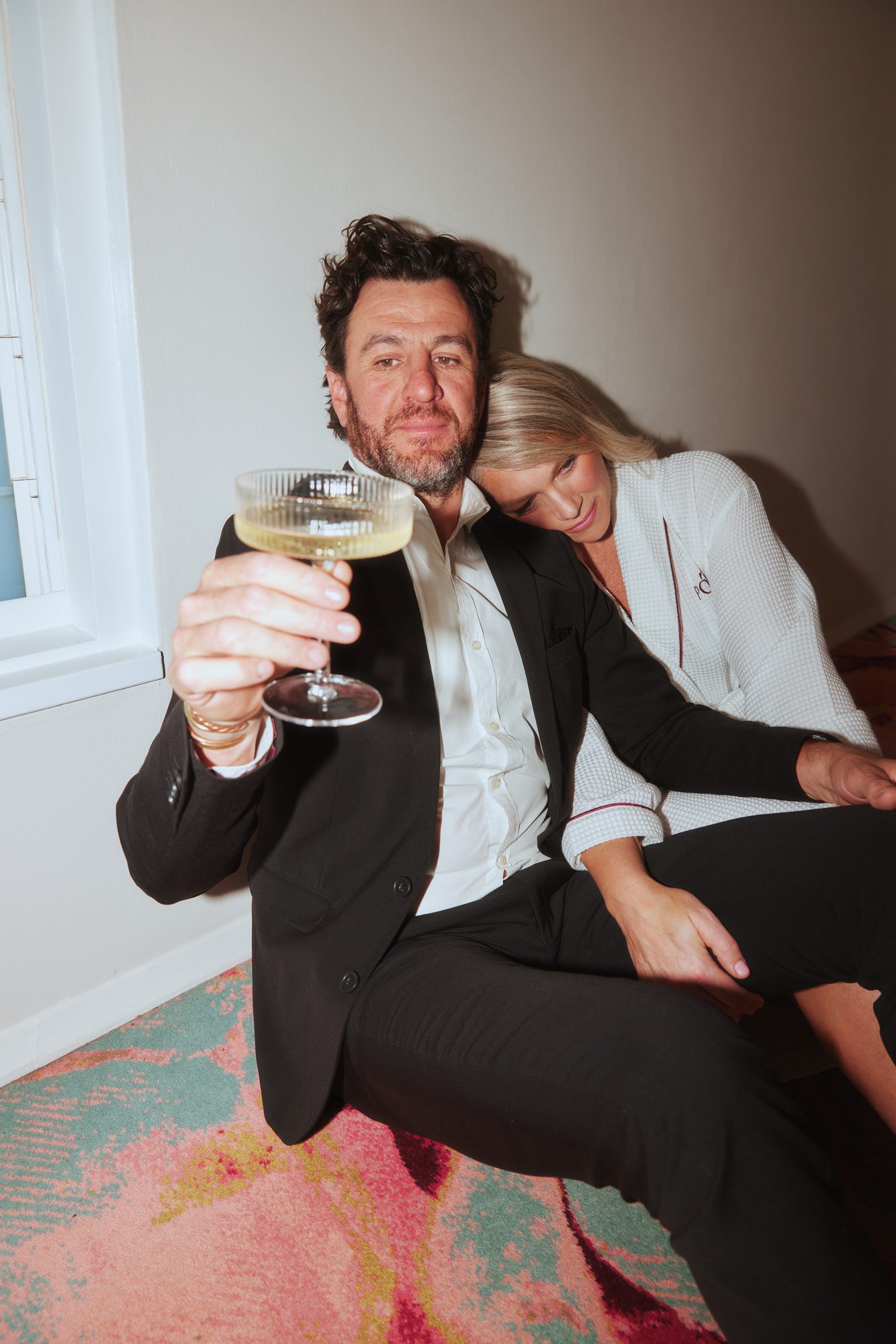
Celebrating how far we'd come.
If you or someone you love is navigating a breast cancer diagnosis, Breast Cancer Network Australia offers free support, resources and connection with others who understand.
Colette Harvey is the founder of Hotel PÓCAR, which is featured in this article.