

Nutritionist Karen Fischer's Children's Eczema LED Her to Develop a Diet and Supplement Powder to Help Manage it
Eczema, or dermatitis, is an acute allergic condition on the skin that shows up as red, inflamed and itchy rash rash that is irritating, very itchy, and can appear anywhere on the body. It can be either and acute or chronic allergy skin condition. It’s important to understand that eczema can be caused by one or more factors like diet, personal environment and genetics. Everyone is different and the trigger is likely to be unique to each person, but the following facts and tips can help ease pain and appearance of eczema – just be sure to always consult your doctor before beginning any treatment.
1. Eczema is Worst in Winter.
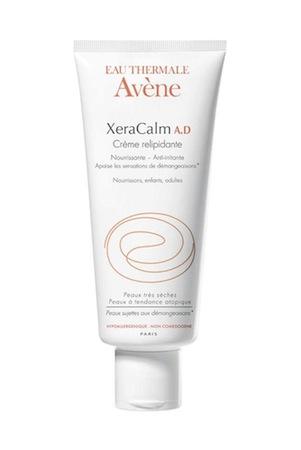
Although a drop in temperature doesn’t cause eczema, it can be responsible for flareups of the condition. As mercury dips, so too does humidity (and so, moisture in the air) causing a much dryer environment. The drier the atmosphere, the drier the skin and the more irritation is caused to the skin. If you’re prone to flare ups, try sensitive but ultra-hydrating moisturising creams like Bioderma Atoderm Crème and Avene XeraCalm AD Lipid Replenishing Cream.
2. Eczema is Derived from a Greek Word Meaning “to Boil Out” …
… because people with eczema tend to overheat as their skin does not regulate temperature properly. “Eczema” is also the general term for any type of dermatitis that is itchy.
3. Food is Big Culprit for Causing the Condition…
… but it’s not about an unhealthy diet. Karen explains, “Many foods that are considered healthy, such as avocado and other fruits and vegetables may actually be harmful for those who have this skin condition.” She suggests exploring food chemical intolerance you may be suffering from and limiting your diet to isolate what may be the source of your skin problem. Salicylates, a natural pesticide produced by plants, are often associated with eczema. They are often found in teas, honey, and fruit extracts. Fisher shares, “Salicylates trigger eczema in 51% of sufferers and trigger hives 62-75% of those prone to hives.”
4. Eczema Stats Are Escalating Over Time…
… (it affected less than 10% of children 50 years ago), and there’s no absolute reason for the rise, but climate, lifestyle and genetics are cited as possibilities.
5. Supplements Can Help Soothe
For a natural method, dietary supplements are a great way to manage symptoms. Although studies in the efficacy of supplements in treating eczema are in their infancy, research has shown that Omega 3 fish oil helps reduce inflammatory substances that contribute to eczema. And introducing a potent dose of skin-loving supplements.
Shop
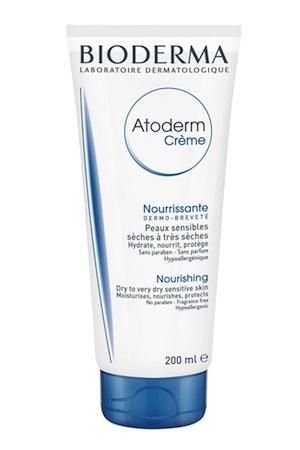
Bioderma Atoderm Crème