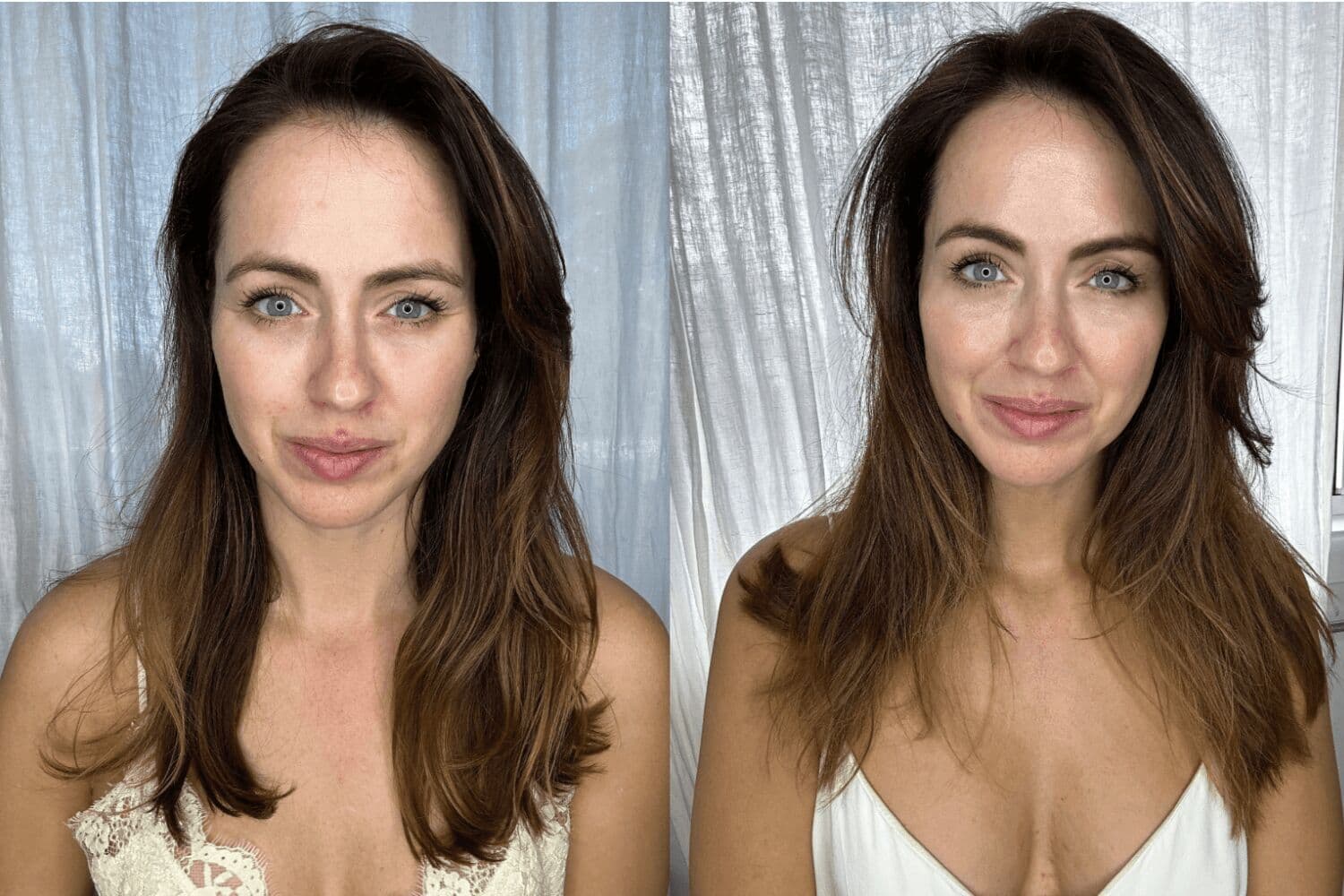
I have a confession that most people will find entirely unsurprising. I'm a soft touch for a wellness trend: cold plunges, red light, the sauna blanket that made me look like I was being slowly cooked for a segment nobody asked for. If someone tells me it might help me live longer, I'm on it before they've finished their sentence.
Twenty-five years writing about beauty will do that to you. A few years ago, the conversation stopped being just about serums and started being about the whole system underneath them. Sleep, mitochondria, inflammation, all the unglamorous internal stuff. Because there's no denying it now we understand the science: real beauty does start on the inside. We even started a podcast about it. Beautiful Inside by Beauticate tackles the inner story of beauty and our search for wellbeing, from psychology and nutrition to longevity and everything in between.
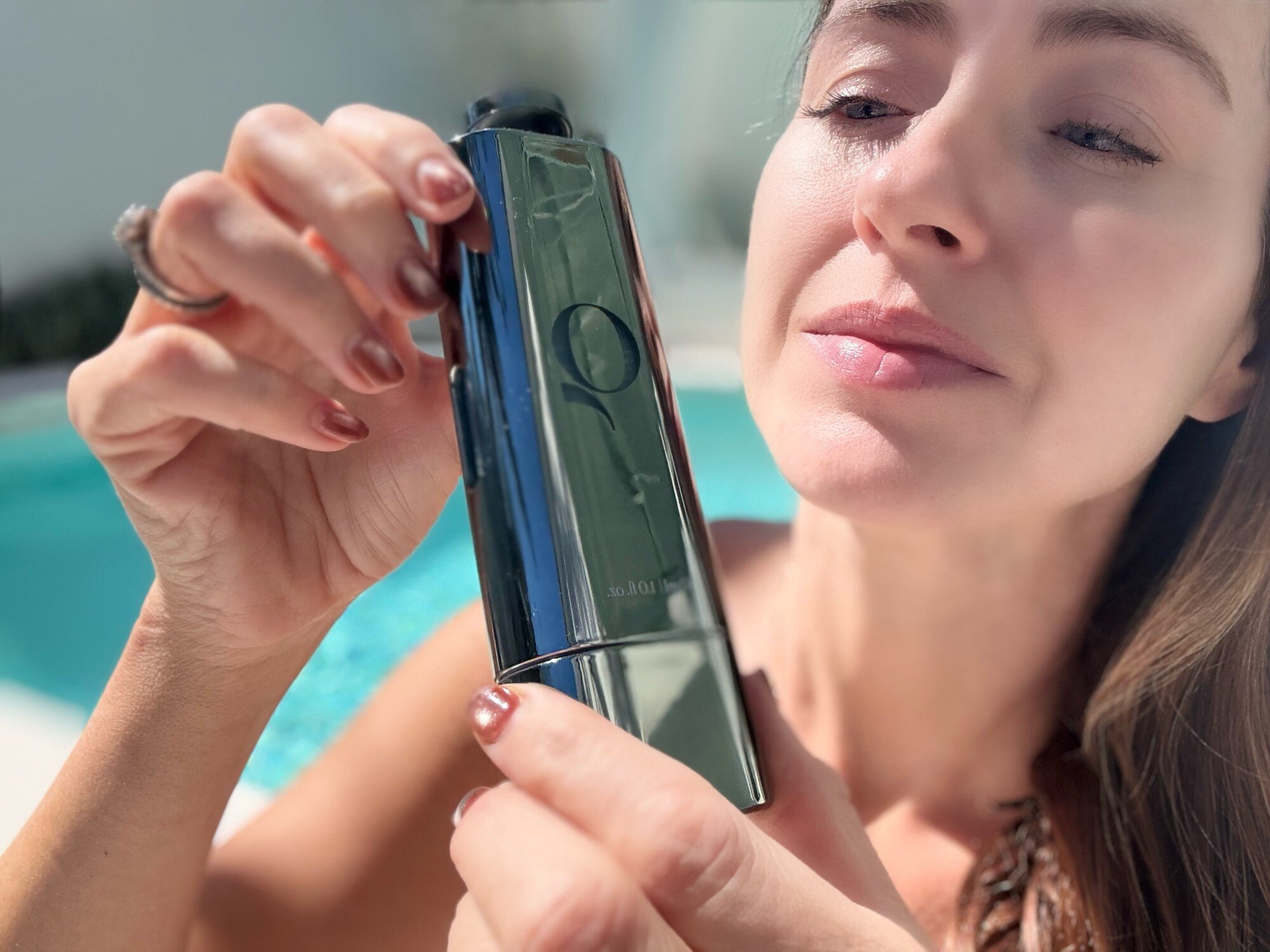
What is methylene blue, and why are biohackers taking it?
Which is how I first came across methylene blue. Not on a serum label. In a biohacker's supplement stack.
Unlike many of these breakthroughs, methylene blue is ancient by wellness standards. It's a compound that's been used in medicine since the 1890s. The biohacking crowd has been taking it for a while now for mitochondrial energy, focus and cellular longevity.
Worth being clear about what that actually is. Taken internally, methylene blue is a prescription-only medicine in Australia, and the biohacking use of it is off-label. That's a conversation for them and their doctor, not a suggestion from me. What has turned up in my bathroom is something quite different: a topical cosmetic serum, applied to the face, not swallowed.
So it's no surprise to me that the skincare industry has caught on. Ingredients don't usually stay in one lane for long, and the fact that methylene blue targets your mitochondria and fights oxidative stress at a cellular level is what skin ageing is about too.
What does the science actually say about methylene blue for skin?
There's a 2017 study out of the University of Maryland that backs this up properly. In lab-grown 3D skin models it increased collagen and elastin activity, improved hydration and boosted dermis thickness, without irritating the skin even at high concentrations.
Researchers also found methylene blue outperformed other well-known antioxidants at protecting skin cells from oxidative stress.
It's cell-level in-vitro research rather than a clinical trial on human faces, but it's real science, not just an ingredient riding a trend with nothing behind it.
Why it made sense to me as an LED devotee
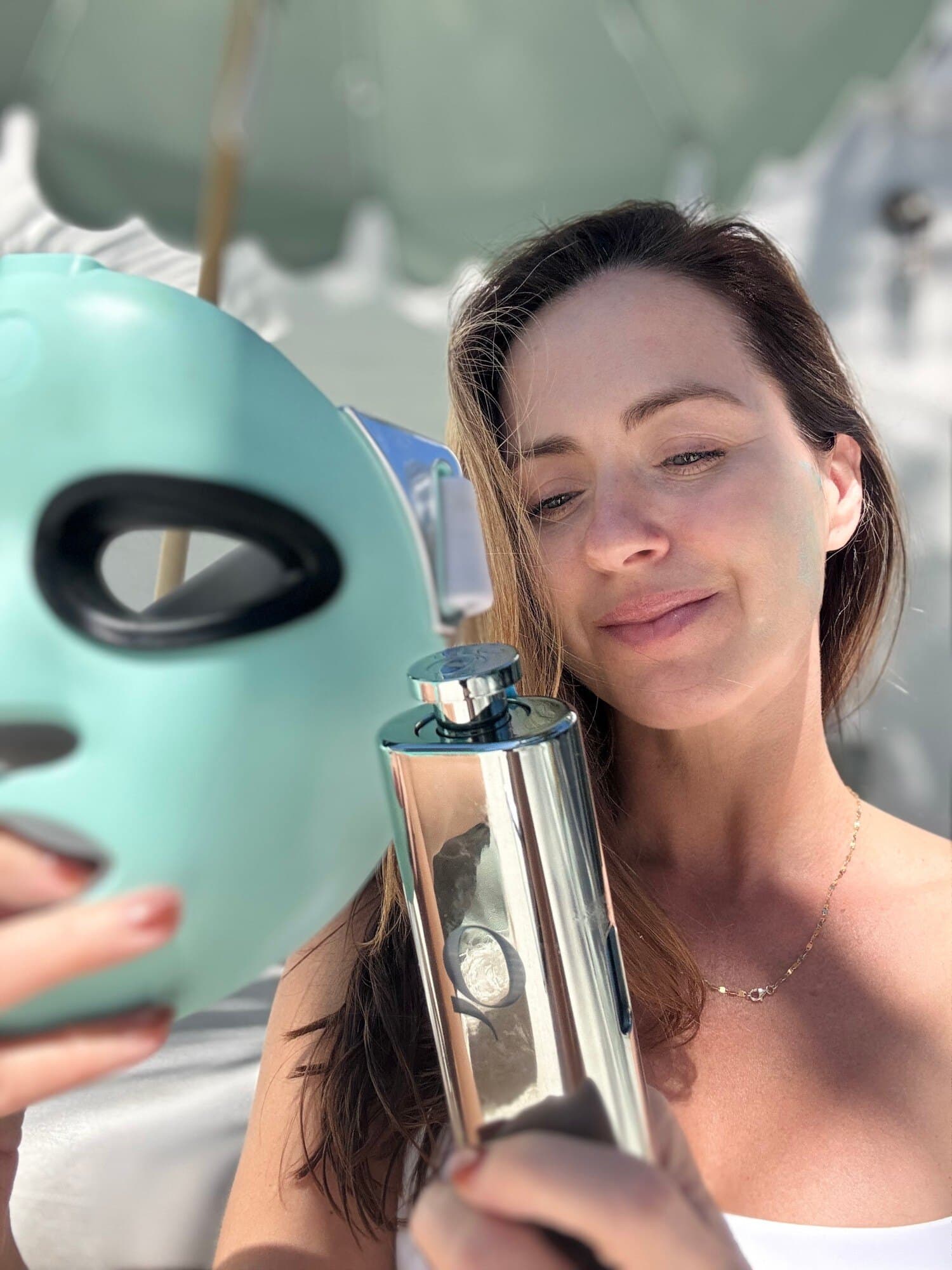
I couldn't be happier that it's turned up in one of my favourite brands. I've used Qure's LED masks and microinfusion kits for years, so when their Blue+ serum landed, built specifically to apply before an LED session, it was a firm yes.
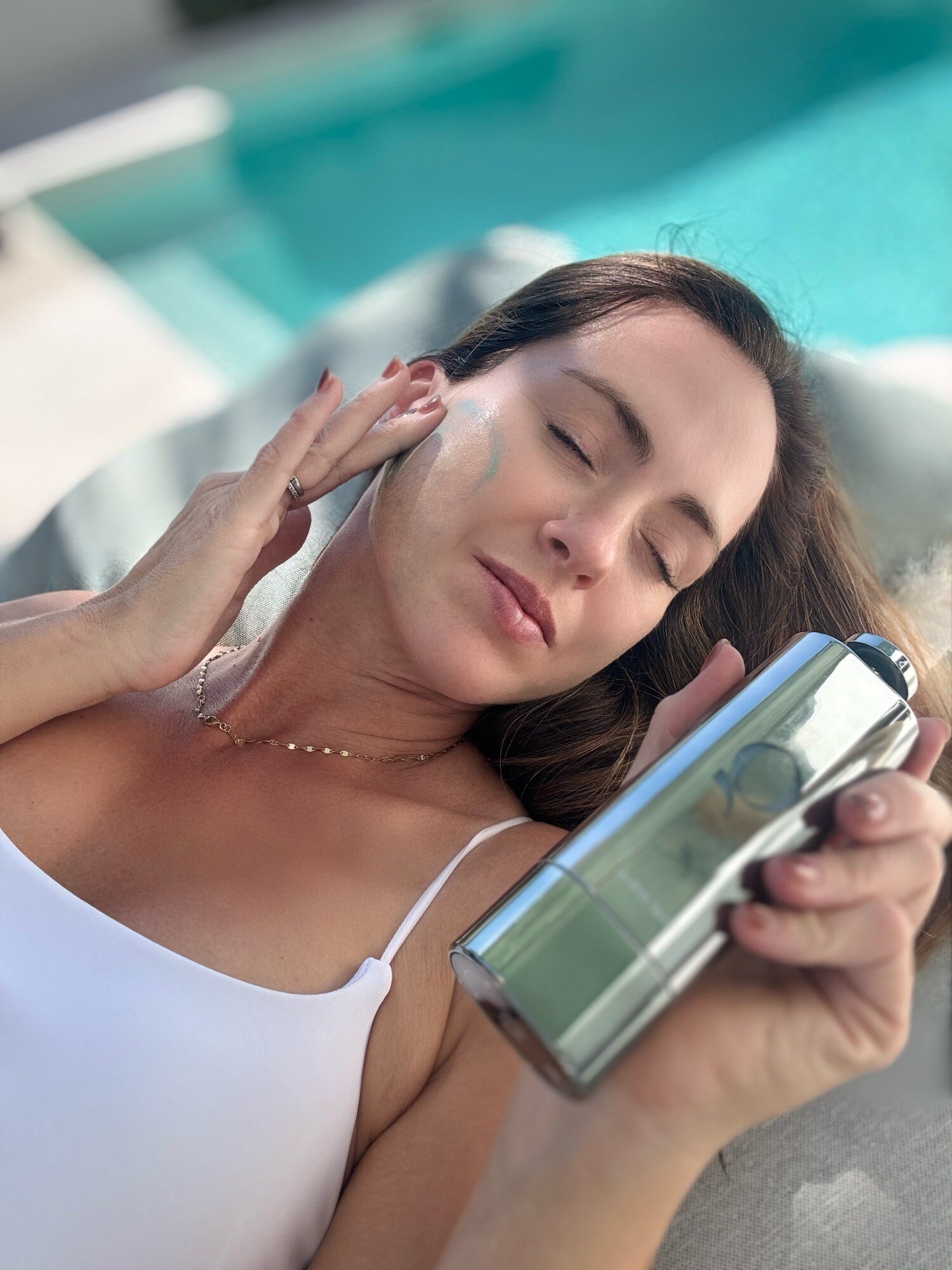
Simply cleanse your skin then apply one pump, a pea-sized amount, on to dry skin. Don't rinse it off, then run your LED mask over the top, and it's meant to help skin respond more effectively to the light without needing to turn up the intensity.
Lately my favourite place for my LED routine is poolside under the umbrella. Serum on then mask, a few minutes of snooze with my feet being warmed by the sun.
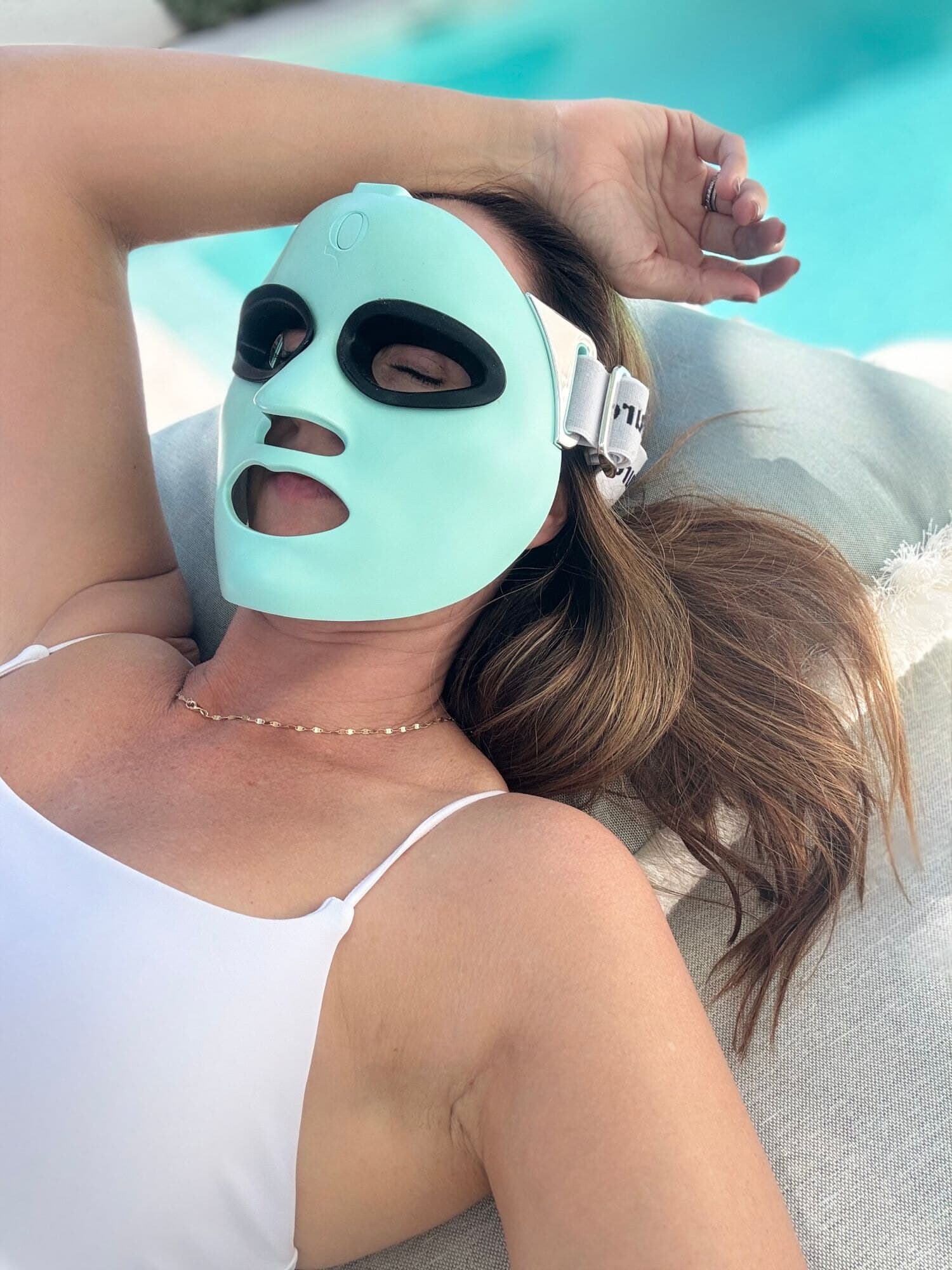
Do you need an LED mask to use it?
The best bit is that you don't have to use it with an LED mask. Blue+ works as a stand-alone serum too, cleansed on, massaged in, followed by your normal moisturiser. The LED pairing is what drew me in, but methylene blue happens to be a lovely thing for your skin regardless. The serum also contains a host of other soothing, hydrating superheroes including calendula, niacinamide, beta-glucan, allantoin and vitamin E.
Why USP grade methylene blue matters
The methylene blue in it is USP grade, which stands for United States Pharmacopeia, the body that sets purity standards for pharmaceutical ingredients. Given how easily methylene blue moves through skin, that purity matters and is the difference between a properly manufactured active and something closer to a lab reagent.
The verdict, blue face and all
As you can see, it's blue. Properly blue, which gave me a little anxiety when I first used it. I idly wondered if I'd need to explain a cyan face at my next meeting. But there's something about watching a product that vibrant absorb into your skin that makes it feel more potent than a clear serum ever could, which may be just psychology, but hey, whatever works. It sinks in within minutes and hasn't stained a single pillowcase, poolside included.
My skin's also felt calmer since I started, and my LED sessions feel like they're doing more. Whether that's the methylene blue, the niacinamide, or the fact I'm finally applying something before my LED mask instead of just after. Tellingly, it's one new addition to my routine I haven't quietly stopped using after a fortnight, which, at this stage of my career, and with the amount of skincare deliveries that arrive each week, is a very good sign.
In partnership with Qure.