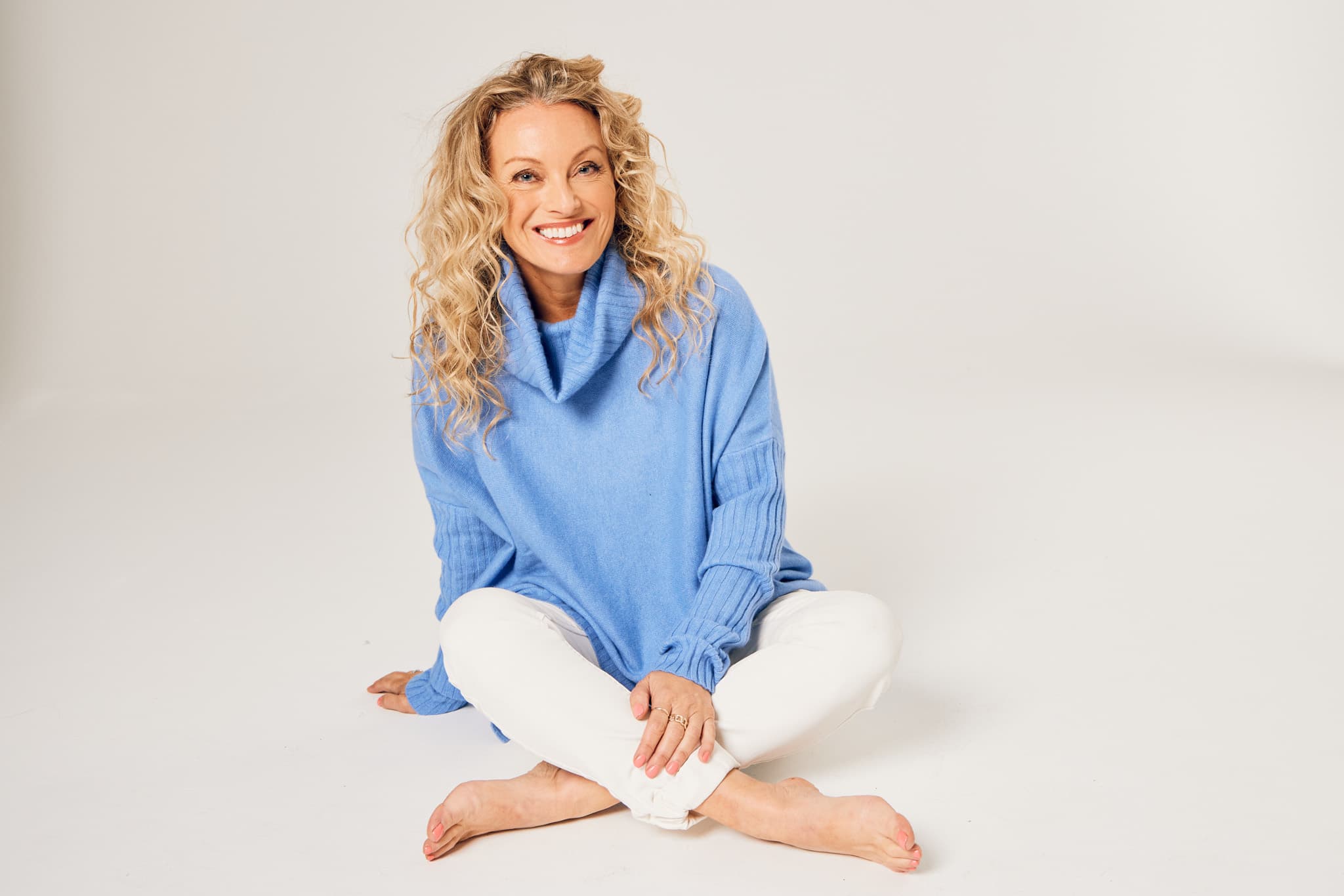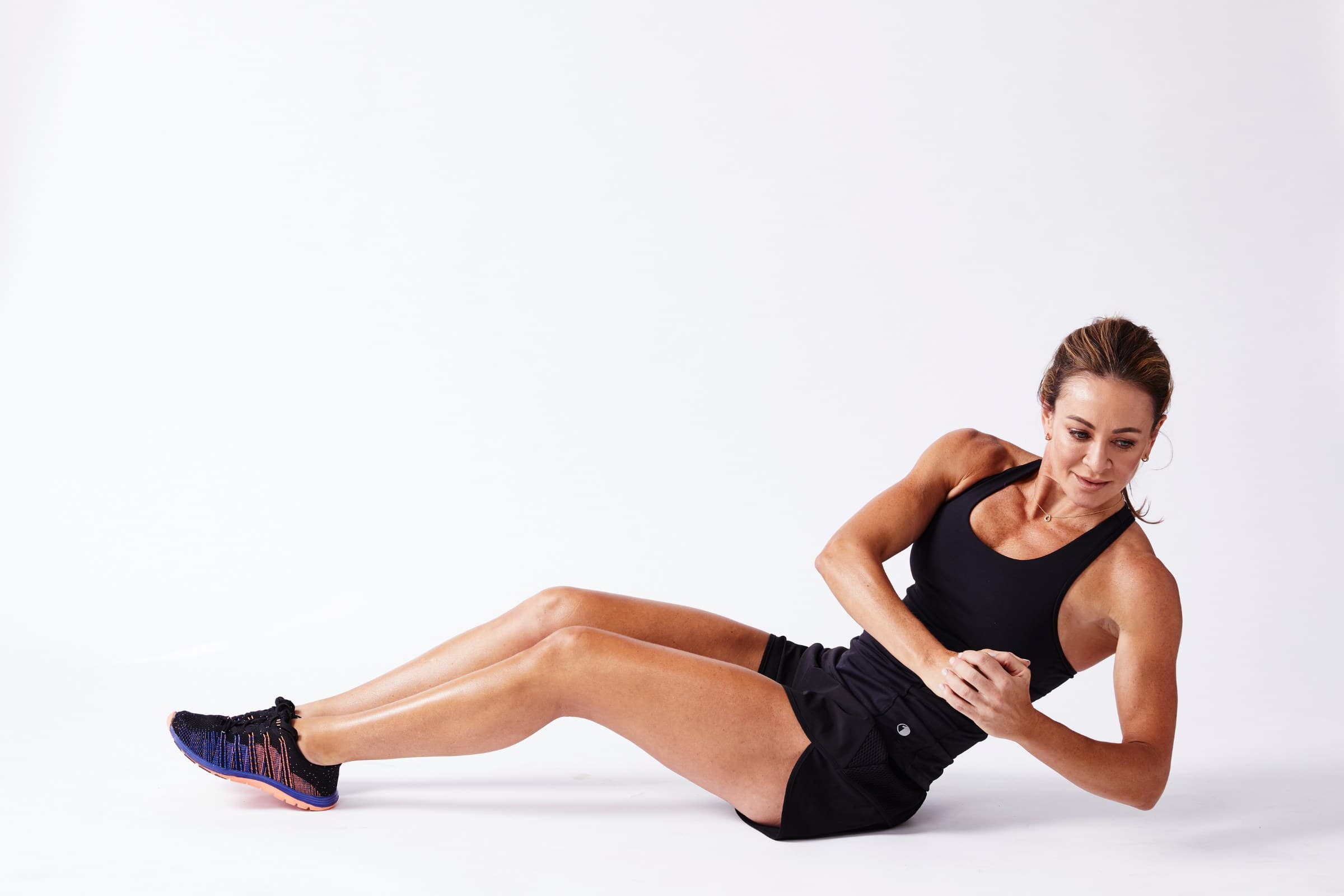
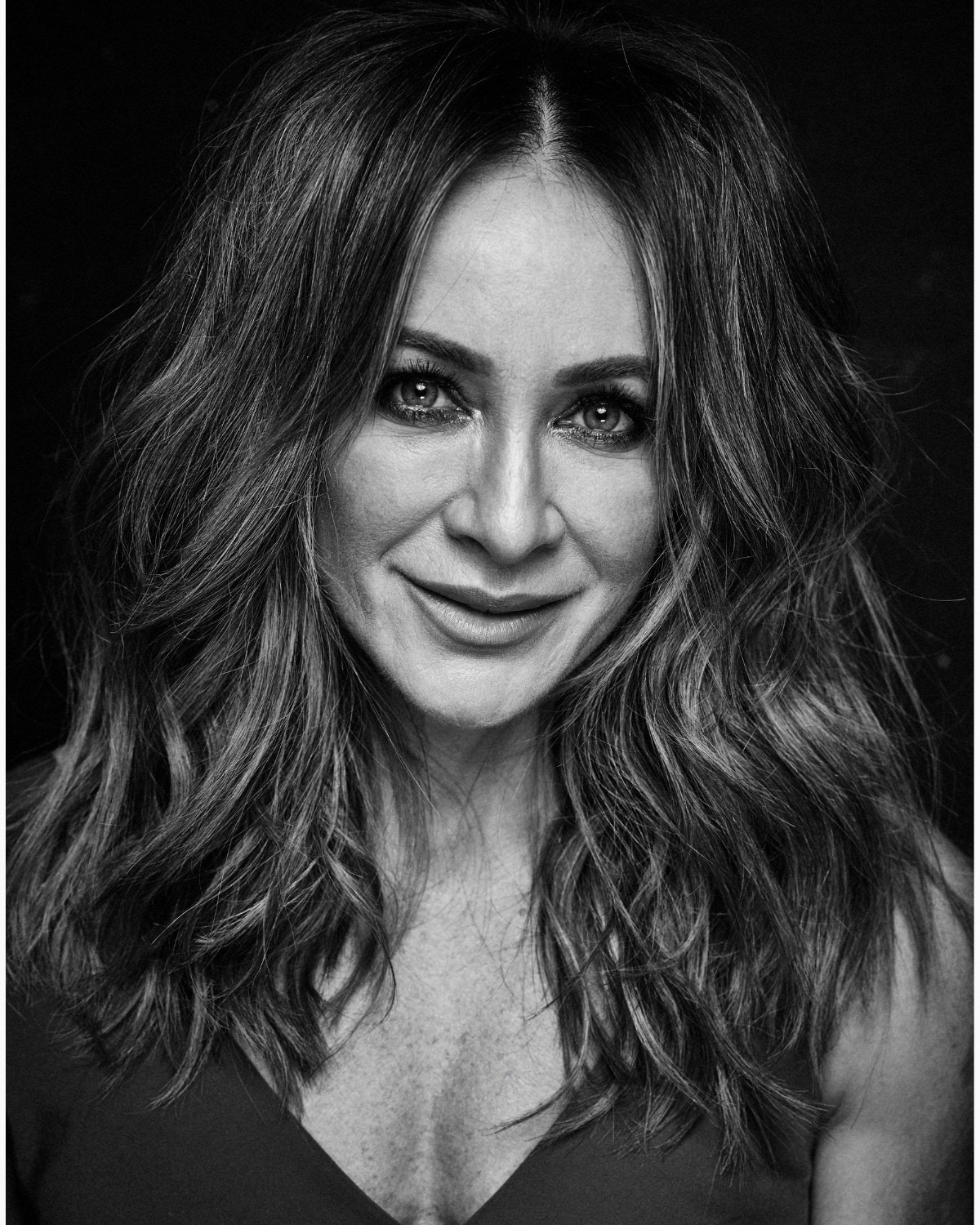
There is a version of Michelle Bridges that the media likes to reach for. Trainer. Tough love. The woman from the telly. It skips the part where she spent more than six years reading the research on perimenopause and menopause, consulting the specialists who work in it, and testing what she found on herself and on thousands of women, before she wrote a word of her book The Perimenopause Method or built the Menopause and Perimenopause programs inside 12WBT. She is our Beauticate Collective fitness editor, and this is her case for picking up the weights.
If I could convince every woman over 40 to do one thing for her future self, it would be this. Pick up some weights.
Not because I want you to have a six-pack. Not because you need to become a gym junkie. And definitely not because there's something wrong with the body you have now.
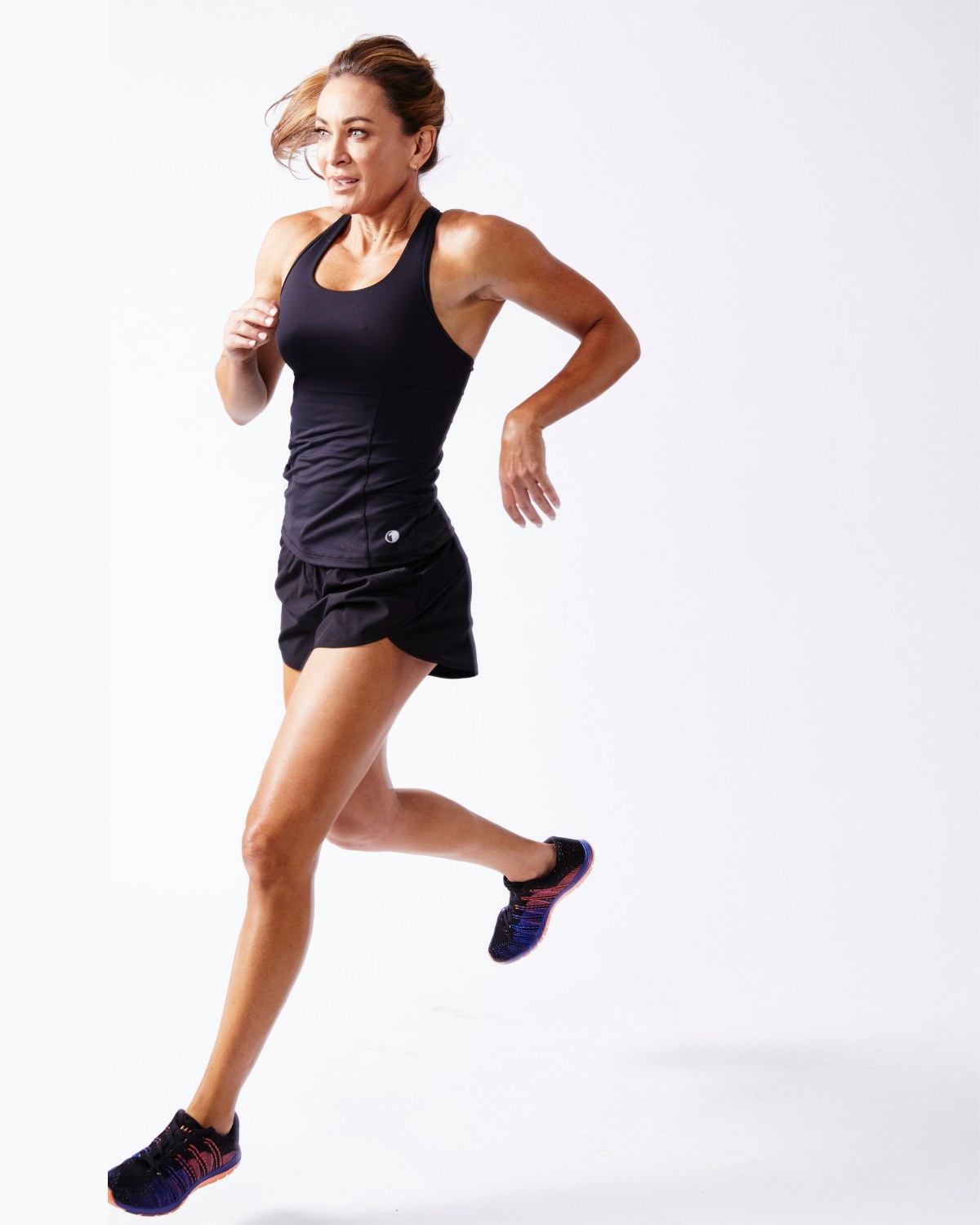
Michelle Bridges, Beauticate Collective fitness editor. Three decades in the industry, and the advice has changed.
Why Muscle Matters More After 40
It's because from midlife onwards, maintaining muscle becomes increasingly important, and particularly as we move through perimenopause and menopause.
This was one of the big reasons I wrote my book on perimenopause and menopause, and why I developed my Perimenopause and Menopause programs with 12WBT. Once you understand what's happening physiologically at this stage of life, the way you train starts to make a whole lot more sense. And it'll also, not coincidentally, help psychologically.
And no, the answer isn't more exercise. It's smarter exercise.
Ed's note: the numbers underneath Michelle's point. From around the age of 30 we start losing as much as three to five per cent of our muscle mass a decade, and Victoria's Better Health Channel puts bone loss at up to 10 per cent of bone density in the first five years after menopause. The Australasian Menopause Society reports that half of Australian women aged 60 and over already have lower than normal bone density. Resistance training is one of the very few levers that pulls on both muscle and bone at once.
What Does a Good Strength Week Actually Look Like?
For most women, I think three well-designed strength sessions a week is an excellent goal.
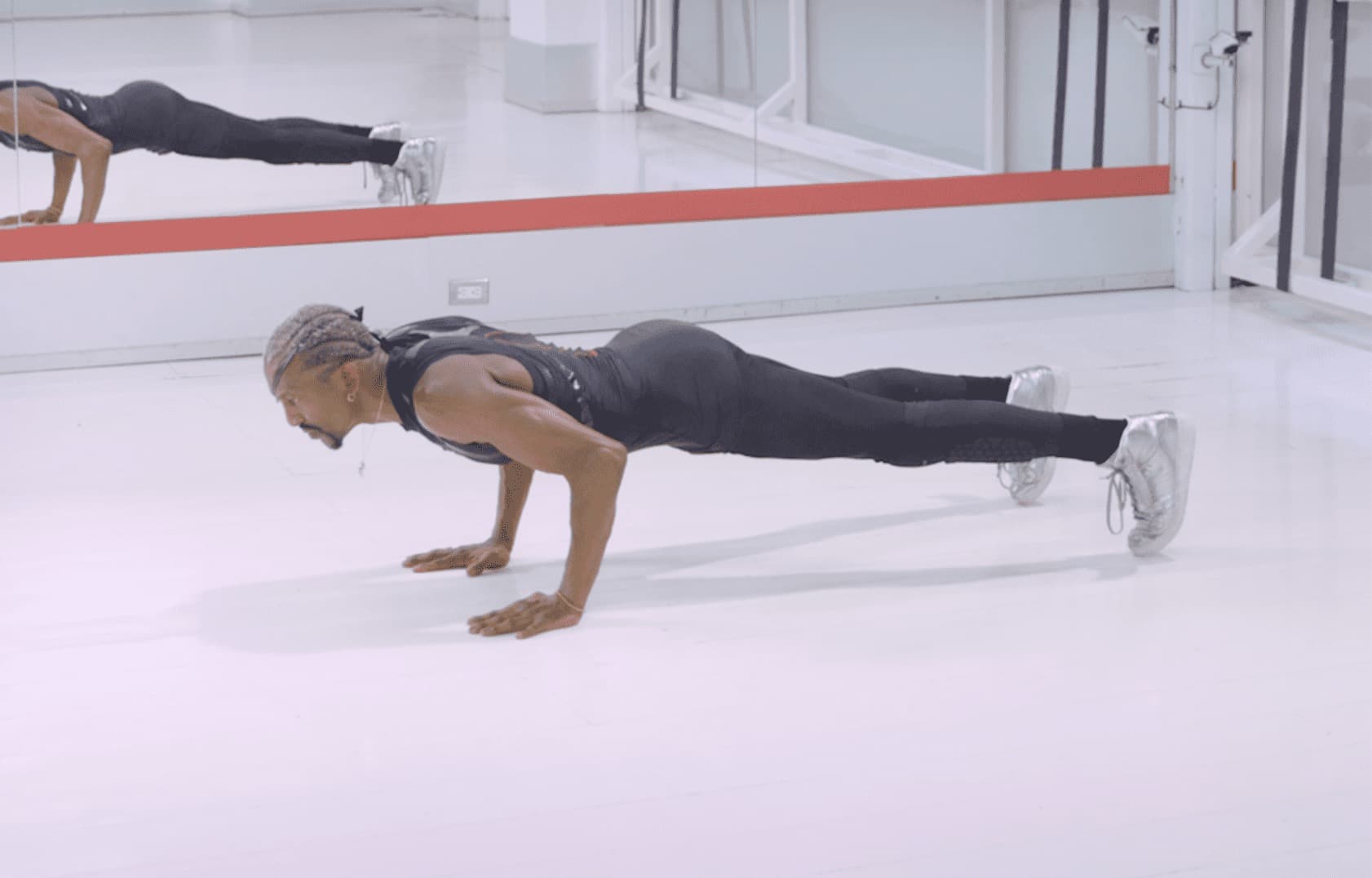
You don't need two hours in the gym. Around 30 to 45 minutes of purposeful training can be incredibly effective. I like to focus on the big movement patterns. Squatting, hinging, pushing, pulling, lunging and carrying.
Then progressively increase the challenge.
That's the bit people sometimes miss. ...
If you keep lifting the same 3kg dumbbells for the next five years, your body gets very good at lifting 3kg dumbbells.
... We need to give the muscles a reason to adapt.
That doesn't mean going hell-for-leather. It means gradually adding weight, repetitions or difficulty as you get stronger.
Never Lifted a Weight in Your Life? Start Where You Are
Perfect. You haven't missed the boat.
Learn the movements first. Get your technique right. Use bodyweight if that's where you need to begin, and then gradually introduce resistance. Machines, dumbbells, resistance bands. They're all tools.
And please don't be intimidated by the weights section of the gym. You have as much right to be there as anybody else.
Consistency Over Heroics
One of my biggest philosophies around training in midlife is consistency over heroics. ...
I'd much rather see a woman complete three sensible sessions every week for six months than smash herself for two weeks, get ridiculously sore, hate every minute of it and disappear.
... We're playing the long game here.
When Will You Actually Notice a Difference?
This is where I want women to broaden their definition of results.
Yes, with consistent training and good nutrition, you may start noticing changes in body composition over the following weeks and months. But some of the first wins can be much more interesting.
The shopping bags feel lighter. You get off the floor more easily. Your posture improves. The stairs aren't such a drama. You realise you've progressed to heavier dumbbells. You feel more capable in your own body.
That's strength. And it's incredibly empowering.
Over time, resistance training also plays an important role in maintaining muscle and supporting bone health. Two things I care enormously about for women in midlife.
What Equipment Do You Actually Need?
Honestly? Weights that are heavy enough to challenge you.
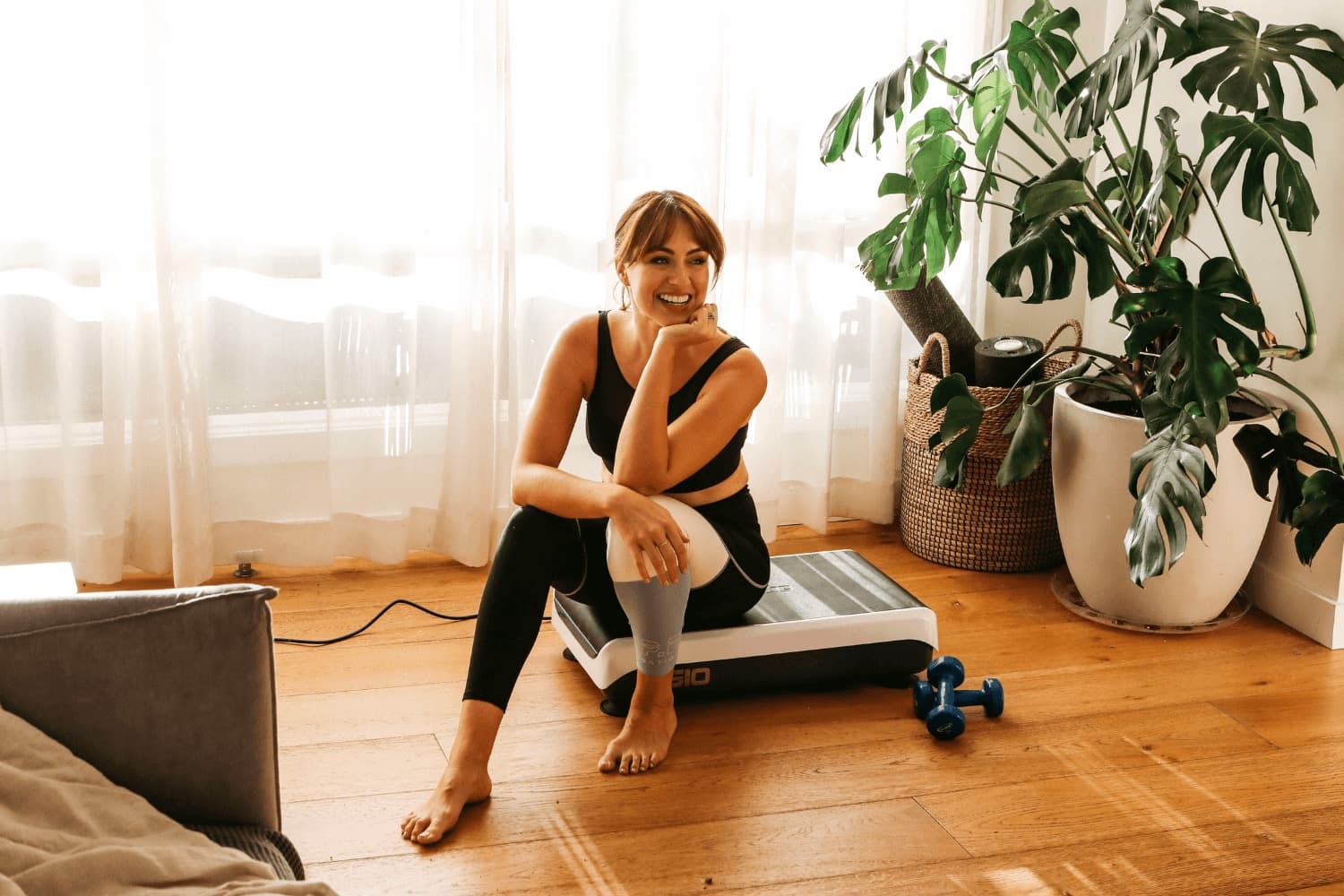
You don't need a fancy home gym or the latest recovery gadget. A good selection of dumbbells and/or access to a gym will take you a very long way.
And my favourite recovery tool is completely free. Rest.
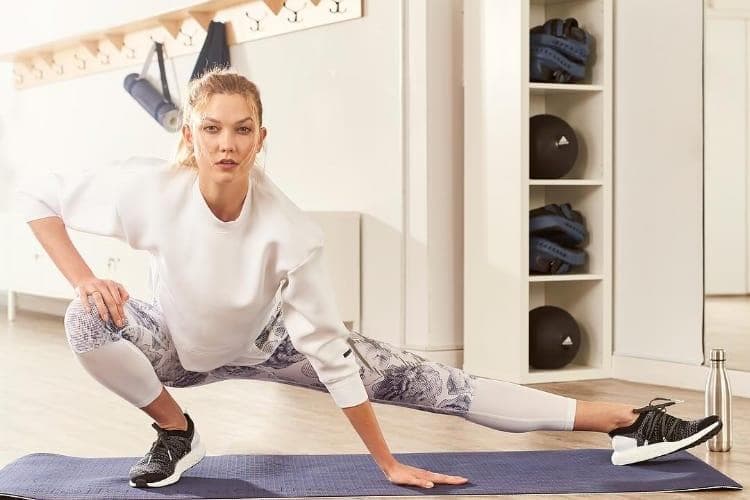
More is not always more, particularly during perimenopause when sleep, stress and recovery may already be taking a hit. Give your body the nutrition it needs, prioritise protein, allow recovery between harder sessions and don't underestimate walking and everyday movement.
Train for What Comes Next
I've spent years working in this space, and if there's one thing I want women to understand, it's that perimenopause is not the beginning of some inevitable physical decline.
Quite the opposite. It can be the moment you decide to train for what comes next.
Build the muscle. Protect the bones. Keep your body capable. And get strong for the life you still have every intention of living.
Ed's note: on the subject of getting the technique right, Beauticate founder Sigourney Cantelo on why she swapped a personal trainer for an exercise physiologist.
Ed's note: Michelle is the fitness editor in the Beauticate Collective, and you can read our first interview with her in the archive. Her Perimenopause Method program runs through 12WBT. For the wider midlife picture, Eir Women co-founder Lisa Walker on what nobody told her about her body after 40 is the companion read. If her point about protein and recovery has landed, the protein, creatine and magnesium below are the Beauticate team's own edit, chosen to sit alongside Michelle's advice. Those are our picks, not hers.