
There’s a terrifying moment when you pull your hand out of the shower drain and it’s holding something small, dark and wet. Is it an animal? And then, that sinking feeling when you realise it’s your hair.
I’ve been there more than once. After my babies. Through some seriously stressful stretches and a few times after illness. Each time the instinct was the same: Fix it. Fix it fast! I tried a lot of things. Even prayer.
What I should have done is ask the only question that matters. Why is this happening?
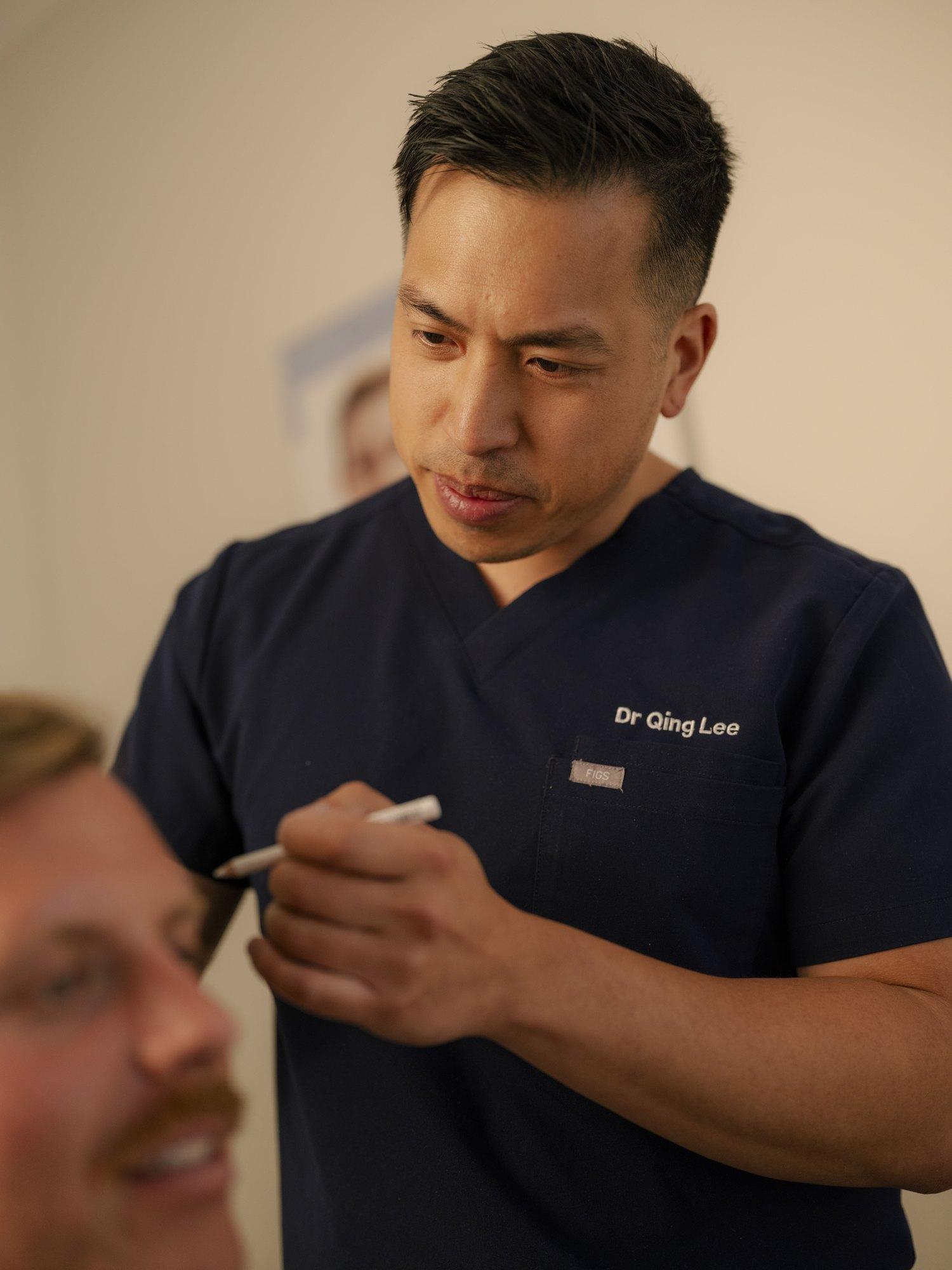
This time I asked someone who’d know. Dr Min-Qing Lee is a Fellow of the Royal Australian College of General Practitioners and Chief Medical Officer of Hair & Skin Science. His first line was the one I’d have framed and stuck on the bathroom mirror. “Hair loss is a symptom, not a diagnosis.”

Shedding or thinning? How to tell
They feel identical when you’re staring at the plughole. They’re not. Dr Qing breaks it down simply. “Shedding means more hair is falling out than usual, while thinning refers to an overall loss of hair density.”
“You might notice more hair in your brush or shower when shedding, whereas thinning can show up as a wider part or less volume in your ponytail.” Think of shedding as a wardrobe clear-out and thinning as a light on a slow dimmer.
And yes, you can have both. “The two can happen together, so a professional hair and scalp assessment can help identify what’s going on,” he says.
Postpartum hair loss: the pregnancy glow sends an invoice
Pregnancy does something lovely to hair. Everyone tells you you’re glowing, and Dr Qing says there’s biology behind it. “The pregnancy glow is partly influenced by hormonal changes that keep hair looking fuller and thicker during pregnancy.”
Then the baby arrives and the bill is due. “After birth, hormone levels shift and more hair enters a resting phase before shedding. This is known as postpartum telogen effluvium and is usually temporary.”
It often starts two to four months after birth. By month three you’re sleep-deprived and wearing someone else’s breakfast, and now your hair’s leaving too. It feels personal. It’s biology.
It usually settles over the following months with fullness commonly returning within six to twelve months.
“If shedding is severe, continues beyond six months or comes with scalp symptoms, it’s worth having it checked,” says Dr Qing. “Iron deficiency and thyroid changes can also contribute, so it’s important not to assume everything is related to childbirth.”
Stress hair loss: the postcard that arrives late
Stress doesn’t make your hair fall out on the day. “Hair responds to stress on its own timeline,” says Dr Qing. “Significant emotional stress, illness, surgery or rapid weight loss can cause more hairs than usual to enter a resting phase, with shedding often becoming noticeable two to three months later. This is called telogen effluvium.”
The delay is what trips us up. “The delay can make it difficult to connect the shedding to what was happening months earlier.” The hair in your brush is a postcard from a month you’ve either forgotten or are trying very hard to.
Perimenopause and menopause: the change you don’t see coming
This one’s sneaky because it’s slow. “Hormonal changes, ageing and genetics can all contribute to hair becoming finer or less dense during this stage of life,” says Dr Qing. “You might notice a wider part, less volume or your hair feeling thinner overall.”
The catch is the pace. “Because these changes often happen gradually, they can be easy to miss at first.” Until a photo makes the point for you.
You’re not imagining it, either. In one study of 178 postmenopausal women at a menopause clinic, just over half had female pattern hair loss. So what do you do about it? “An assessment can help identify the likely cause and the options worth considering.”
The blood tests to ask your GP about
Before you do anything, book a GP appointment. Dr Qing says it starts with the basics. “Depending on symptoms and medical history, a GP may recommend a full blood count, ferritin to check iron stores and thyroid function tests. Other tests, such as vitamin B12 or vitamin D, may be appropriate in certain cases.”
This can help identify nutritional deficiencies or other factors that may be affecting hair health. So you’re working from evidence rather than guessing in the supplement aisle.
What a professional hair assessment actually involves
“It starts with a conversation about when the changes began, your health, medications, stress levels and family history,” says Dr Qing. “The hair and scalp are then examined, using a magnified tool to look more closely at the follicles and scalp condition.”
And then? “Blood tests or a GP or dermatologist referral may be recommended if needed. From there, a tailored plan can be developed and progress monitored over time.”

Ed's note: To find out more about assessments, visit the Hair & Skin Science website or follow @hairskinscience on Instagram.
The signs that mean book in now
Most hair loss can wait for a sensible appointment. Some can’t. “Sudden or patchy hair loss, rapidly increasing thinning, or hair loss accompanied by scalp pain, redness, scaling or persistent itching should be checked promptly,” says Dr Qing.
The quieter signs matter too. “Smooth or shiny patches, loss of the tiny openings hairs grow from, or eyebrow loss can sometimes signal a condition that causes permanent damage if left untreated. Early medical review is important in these cases.”
The biggest mistake women make
I asked Dr Qing what women get wrong most often. His answer made me wince. “One of the biggest mistakes is trying to treat the problem before understanding why the hair is changing.” Guilty.
“Different causes require different approaches, and hair takes time to respond to treatment,” he says. “Getting the right advice early and following a consistent plan can help set realistic expectations and avoid unnecessary frustration.”
What helps at home, and what’s wasted money
Start with the boring basics. “Start with the basics: eat a balanced diet with enough protein, avoid crash dieting and be gentle with heat styling and chemical treatments,” says Dr Qing.
Then the grown-up options. “Supplements can support hair health when nutritional needs aren’t being met, so choosing the right formulation matters. Topical minoxidil can help with female pattern hair loss, but seek professional advice about suitability, particularly during pregnancy or breastfeeding.”
And the wasted money? “Be wary of products promising rapid regrowth or guaranteed results without credible evidence.” If a product promises the lot, be wary.
Ed's note: These two are from the Beauticate Shop and are our picks, not Dr Qing's.

 In our shop
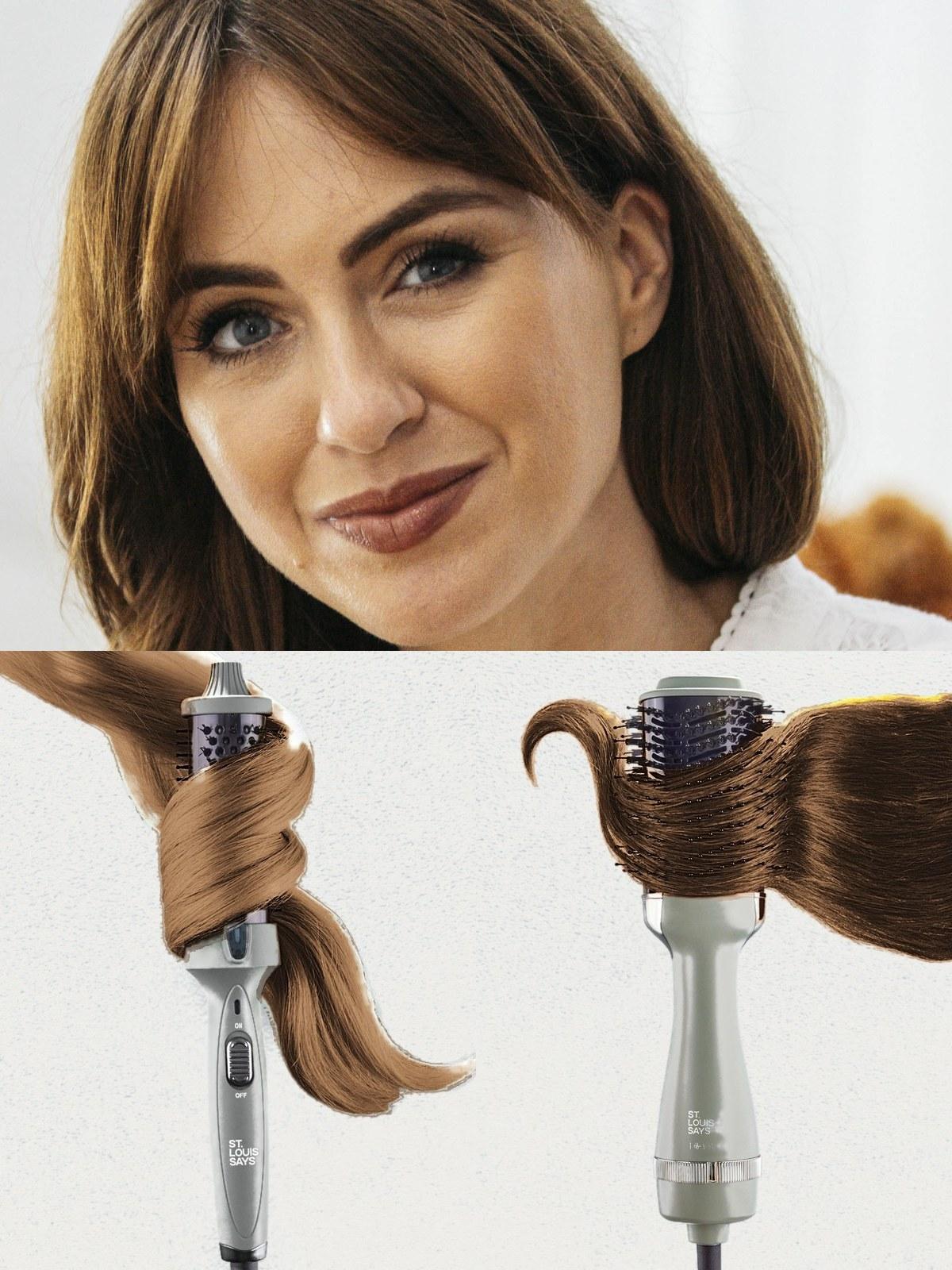
St. Louis Says
Scalp Massager
$18

 In our shop
JSHealth Vitamins
Hair + Energy Formula
From $34.99
Where at-home hair devices fit
“At-home hair devices can play a role in managing certain types of hair loss, but they should not replace a professional assessment to identify the underlying cause and determine the most appropriate approach...”
“...Suitability depends on the type and cause of hair loss. Consumers should also check that the device is included in the ARTG for its stated intended purpose and follow the manufacturer’s directions,” says Dr Lee.
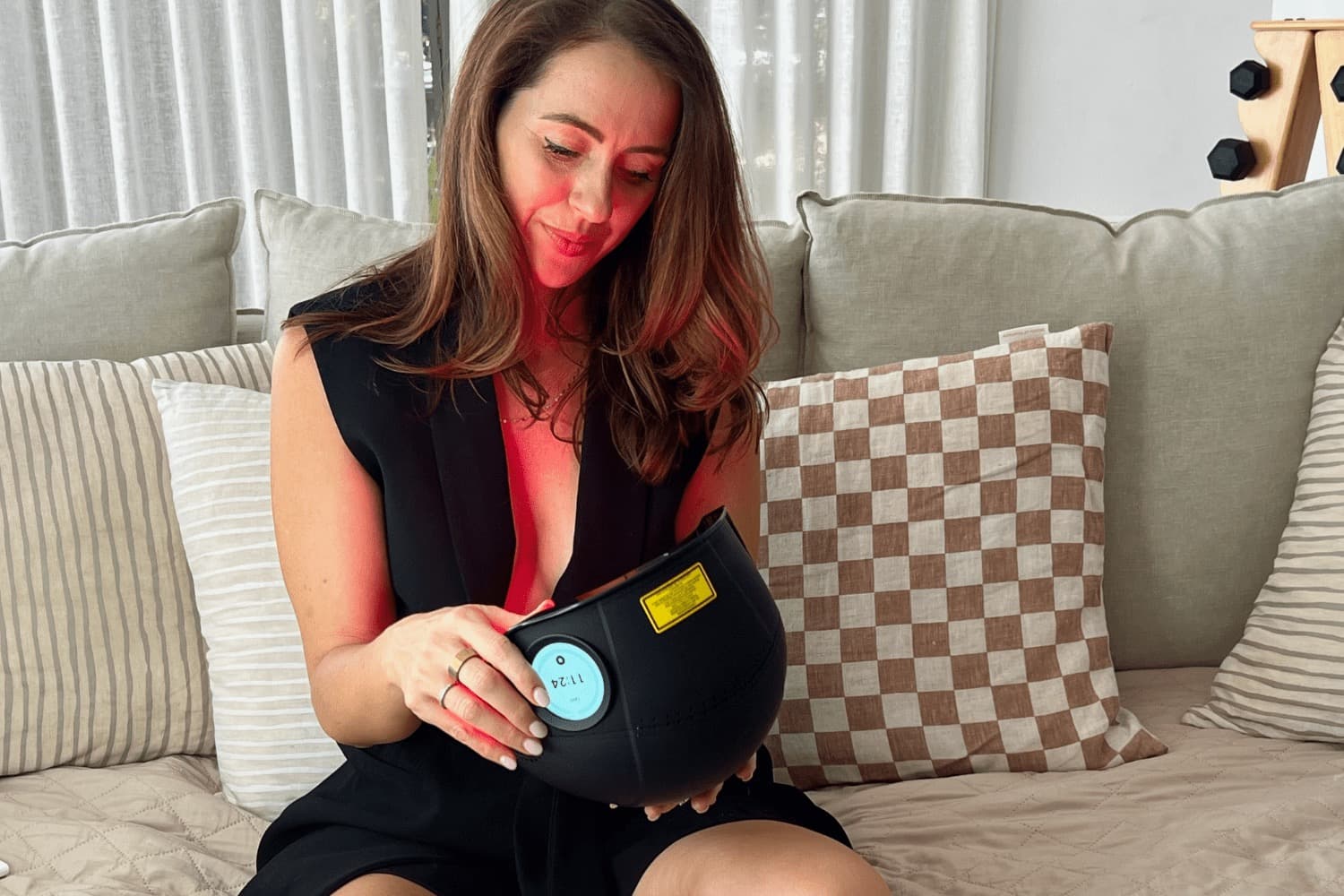
If you’ve been searching for laser hair regrowth, you’ll have come across devices like the Lumina Pro laser helmet, supplied by Hair & Skin Science. It’s included on the Australian Register of Therapeutic Goods as a Class IIa medical device. Its listed purpose is specific. It’s indicated to promote hair growth in women with androgenetic alopecia, also known as female pattern hair loss, at stages I to II on the Ludwig-Savin scale, and for skin phototypes I to IV. It uses low-level laser therapy and is available through Hair & Skin Science clinics.


That’s a narrower brief than women’s hair loss as a whole. Whether a device like this suits you depends on the type and cause of your hair loss, which is exactly why Dr Qing puts the assessment first.
Before you spend a cent
Dr Qing’s last piece of advice is the one I’d underline twice. “Before spending money, understand what may be causing the change, what evidence supports the treatment, how long results may take and whether ongoing use is required. Be wary of guaranteed regrowth or claims that one solution works for everyone. A considered plan, based on the cause rather than the promise, is a much better place to start.”
So next time you’re staring at the plughole, remember it’s information, not a verdict. Then put the shampoo down and book an appointment with your GP.

Ed's note: For more on what to ask your GP, read Dr Leanne Girgis on the blood tests worth asking for after 40, and our own guide to preventing hair loss.