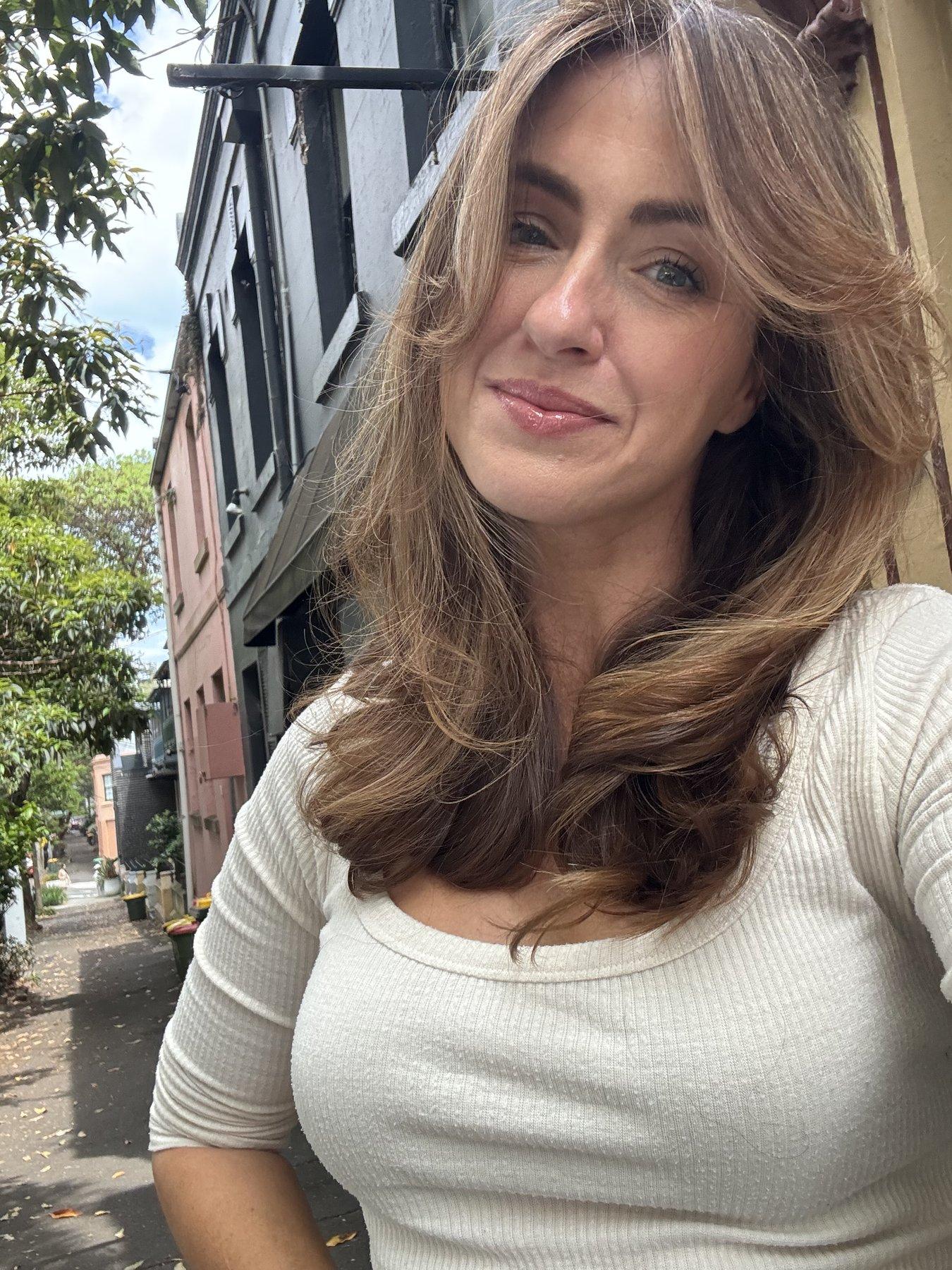
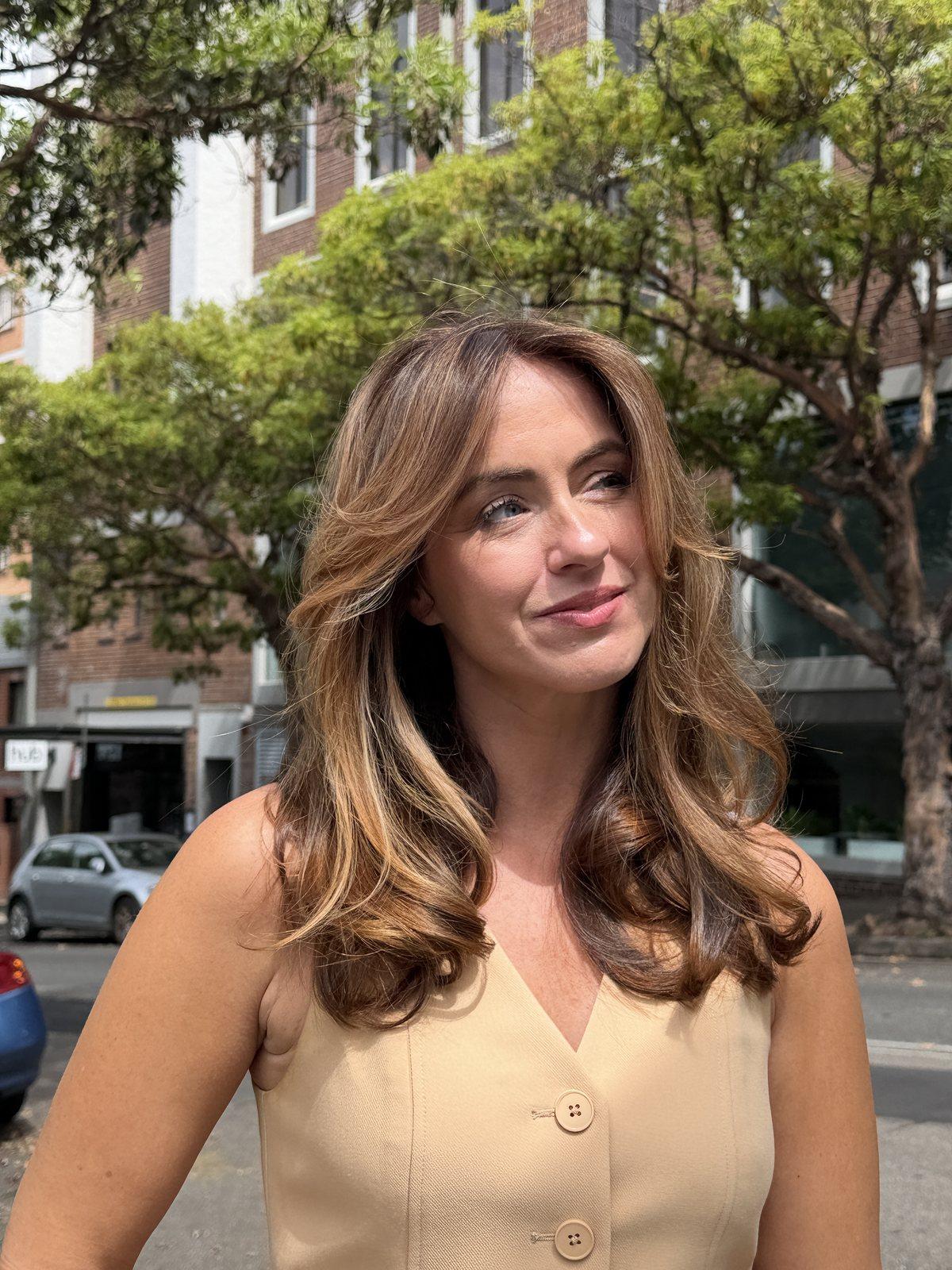
For years, getting my hair coloured meant a burning scalp. The nape of my neck itched, my face turned pink and I counted the minutes until someone steered me to the basin. So when I sat down at QUE Colour in Sydney this month, I was braced.
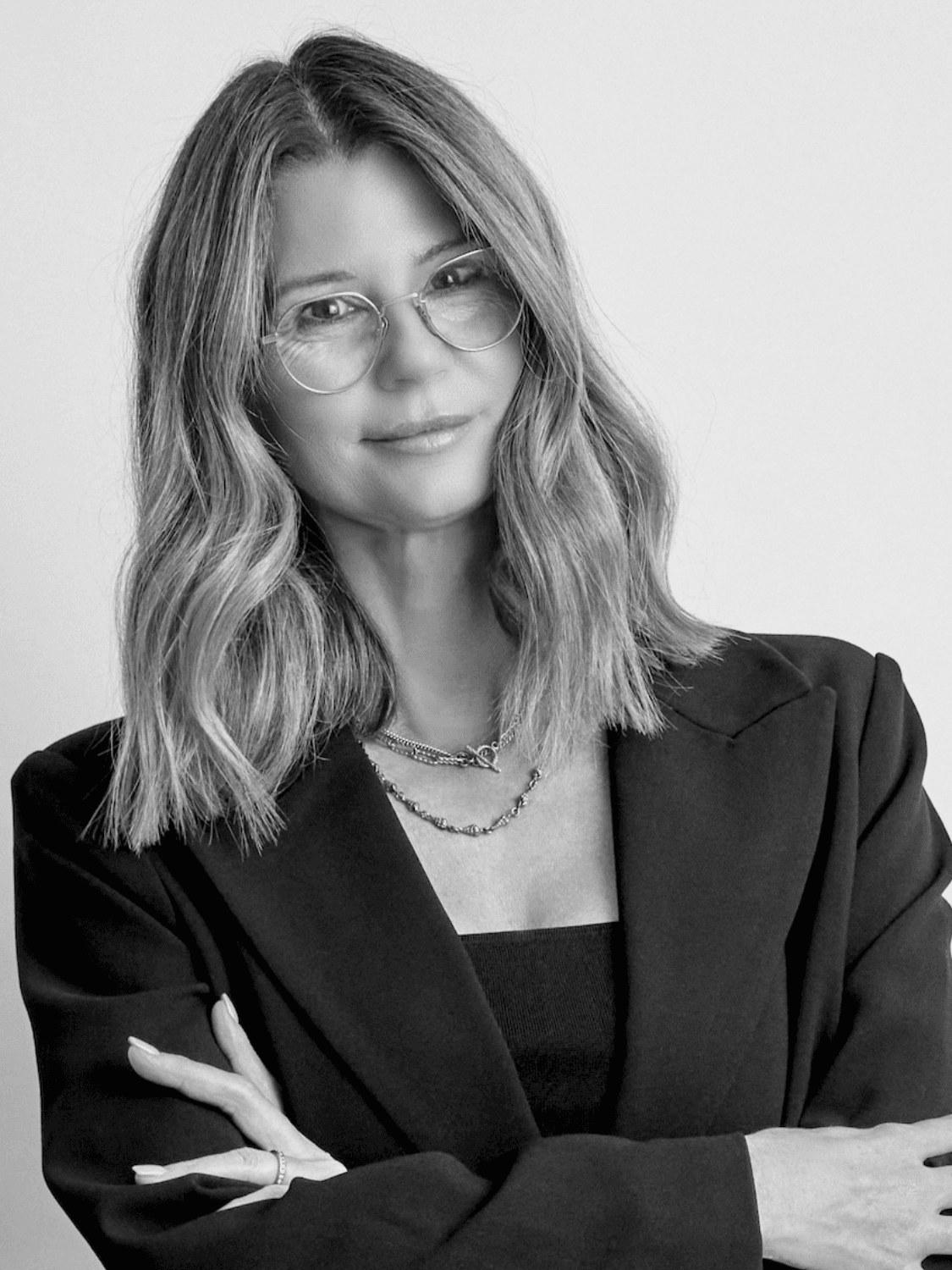
My colourist, Monique McMahon, is the founder and Colour Director of QUE Colour and the hair editor of the Beauticate Collective. This time she reached for Wella Professionals Pure Perfection, a new permanent colour made for scalps like mine. I waited for the burn. It never came.
What colour did Monique use on my hair?
Monique used Wella Professionals Pure Perfection, a new generation of permanent colour made without ammonia, fragrance, mineral oil, silicones or PPD/PTD. "These are the most common ingredients that can cause irritation of the scalp," she says.
There's no trade-off on results. "We're still achieving beautiful, rich, reliable permanent colour with 100% grey coverage," Monique says. The formula is dermatologically tested on sensitive skin, and Wella's Supercharged Metal Purifier technology helps reduce visible signs of damage.
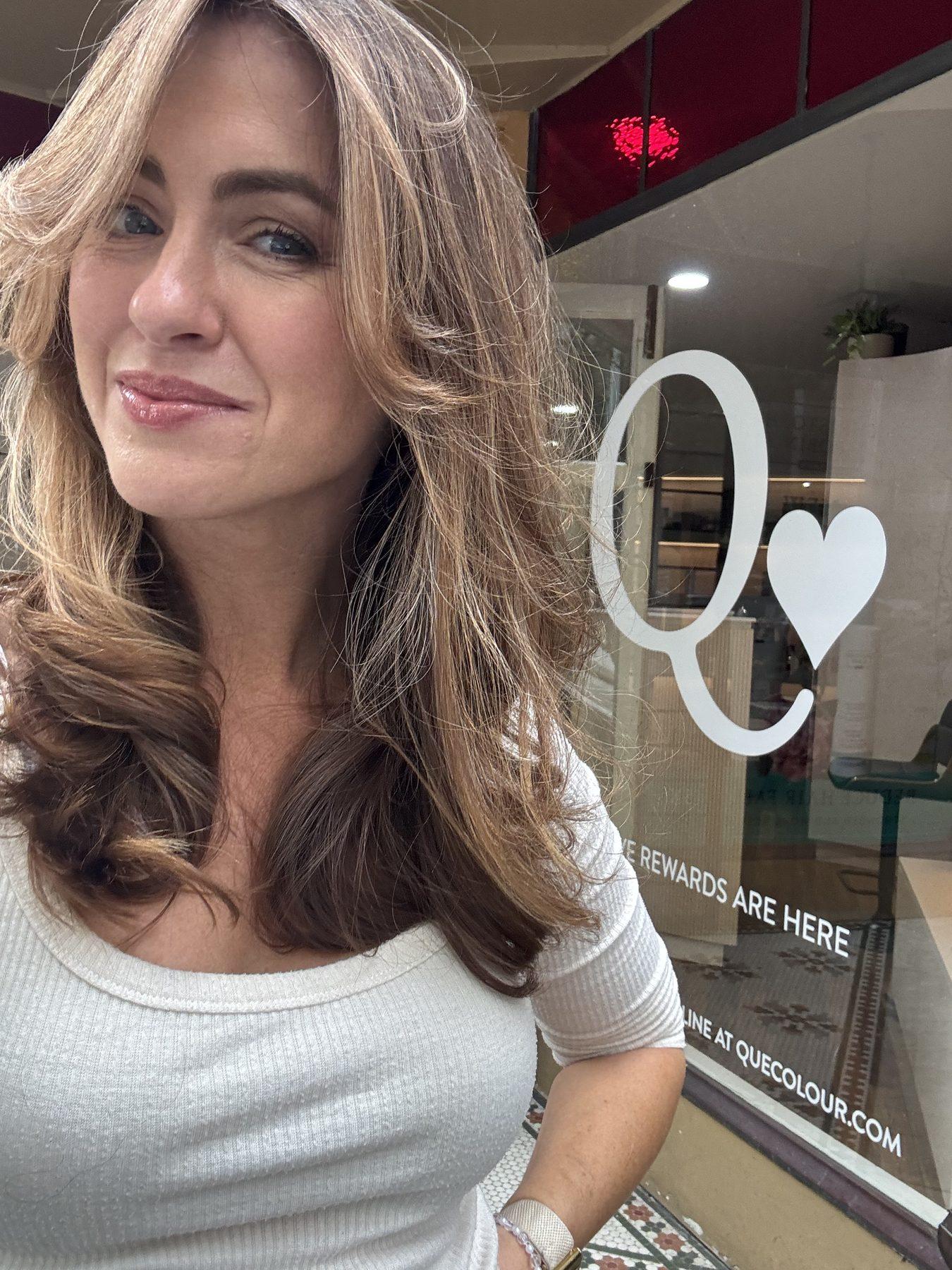
What pleased her most was how I got on. I told her I'd felt no itching, burning or irritation at any point. "For me, this opens a whole new service for my sensitive scalp clients: beautiful results, great performance and a more comfortable salon experience."
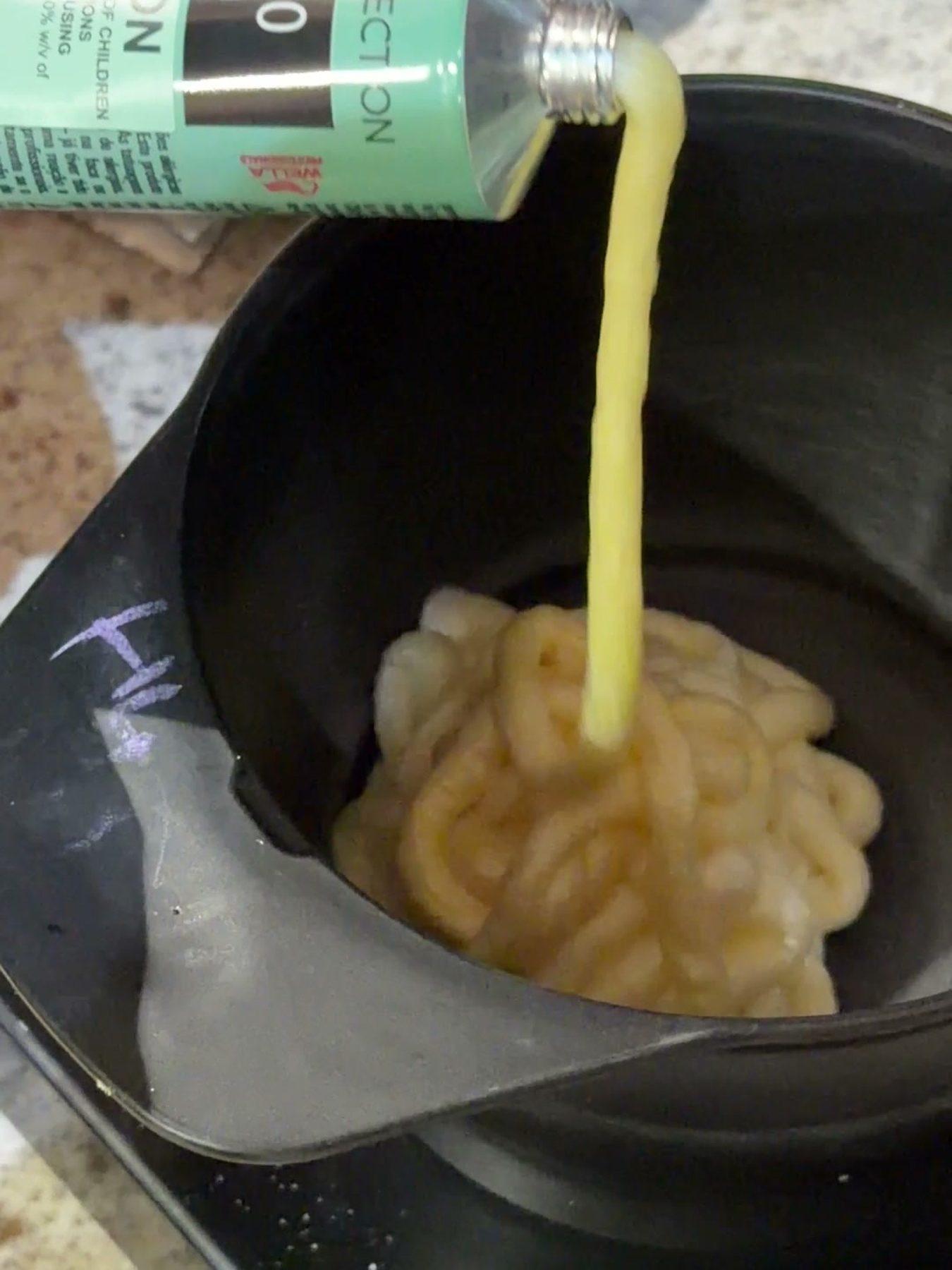
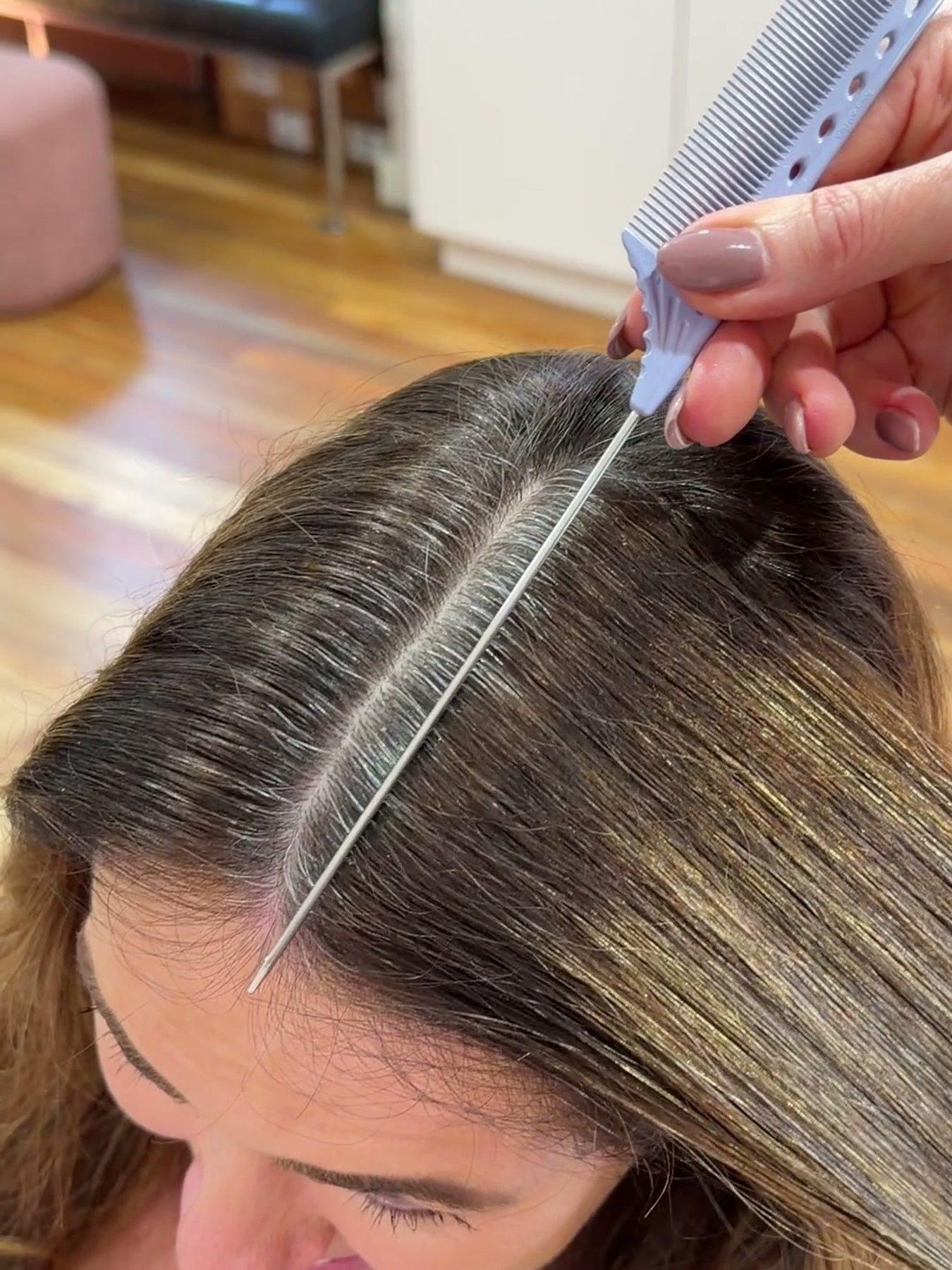
My own scalp was due. The regrowth was showing, and so were the greys, which is exactly the job a sensitive-scalp colour has to do without making me pay for it.
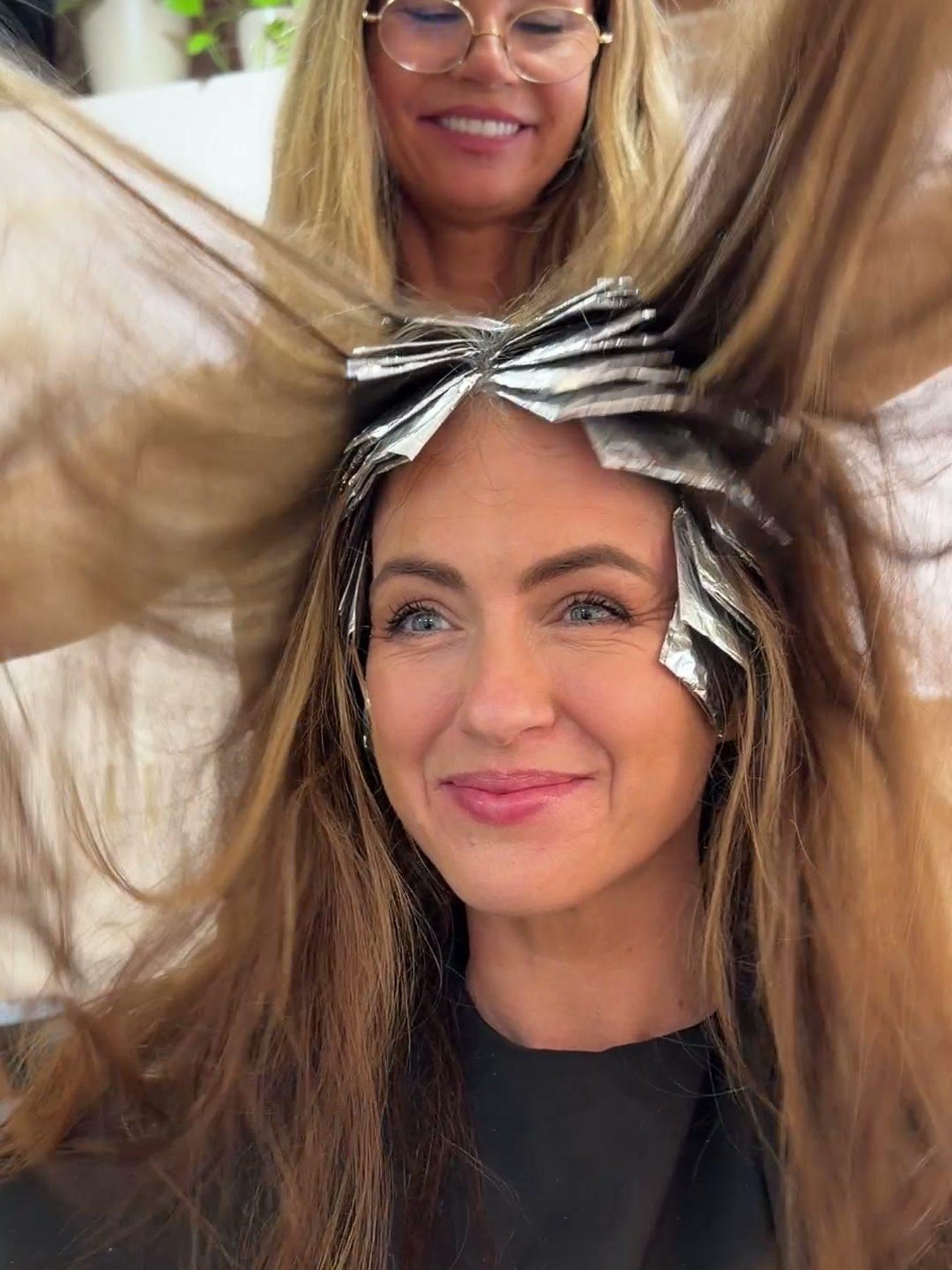
Then it was foils and a lot of patience. Monique painted the colour on section by section, and I sat very still and waited for the furnace.
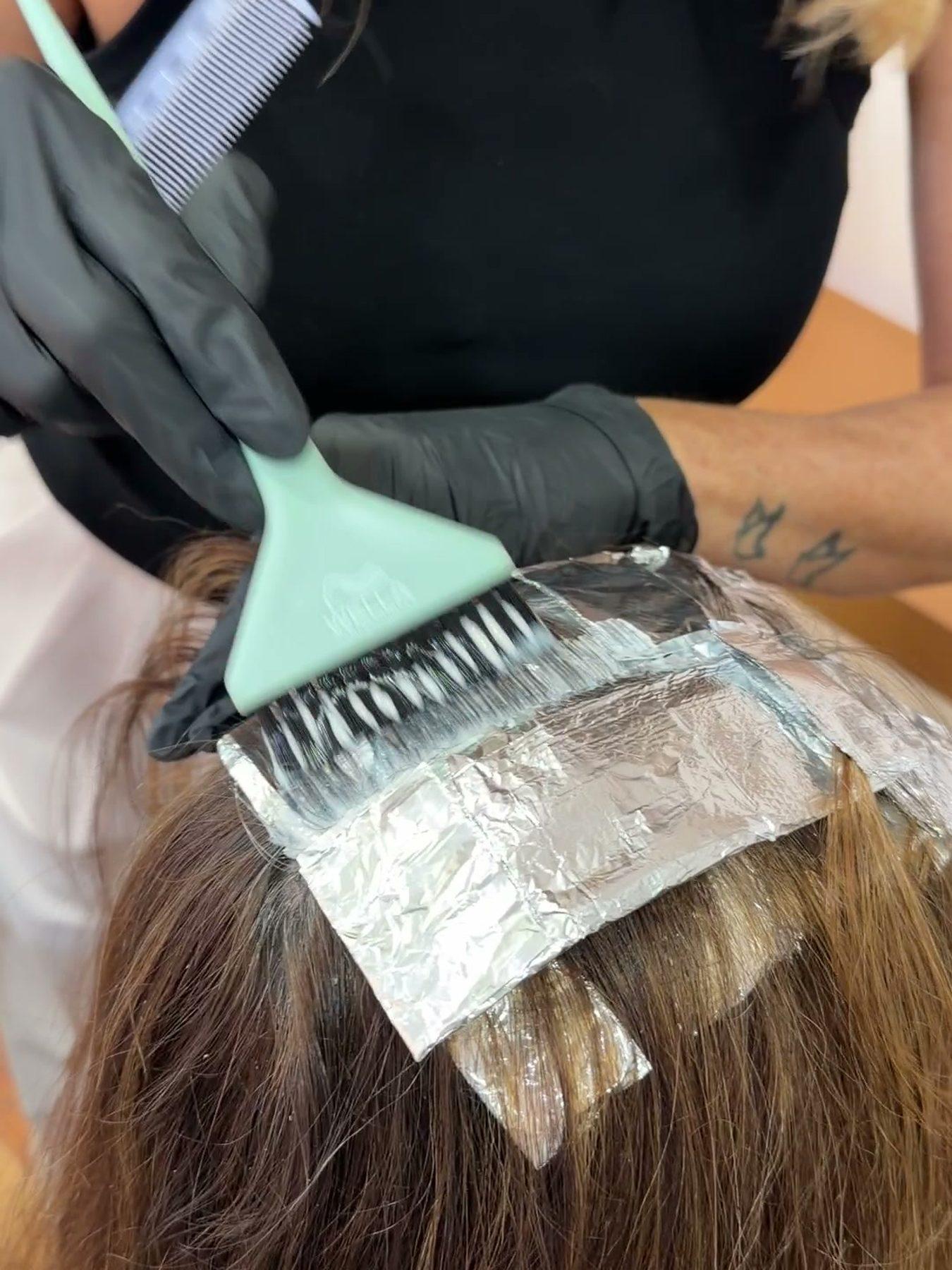
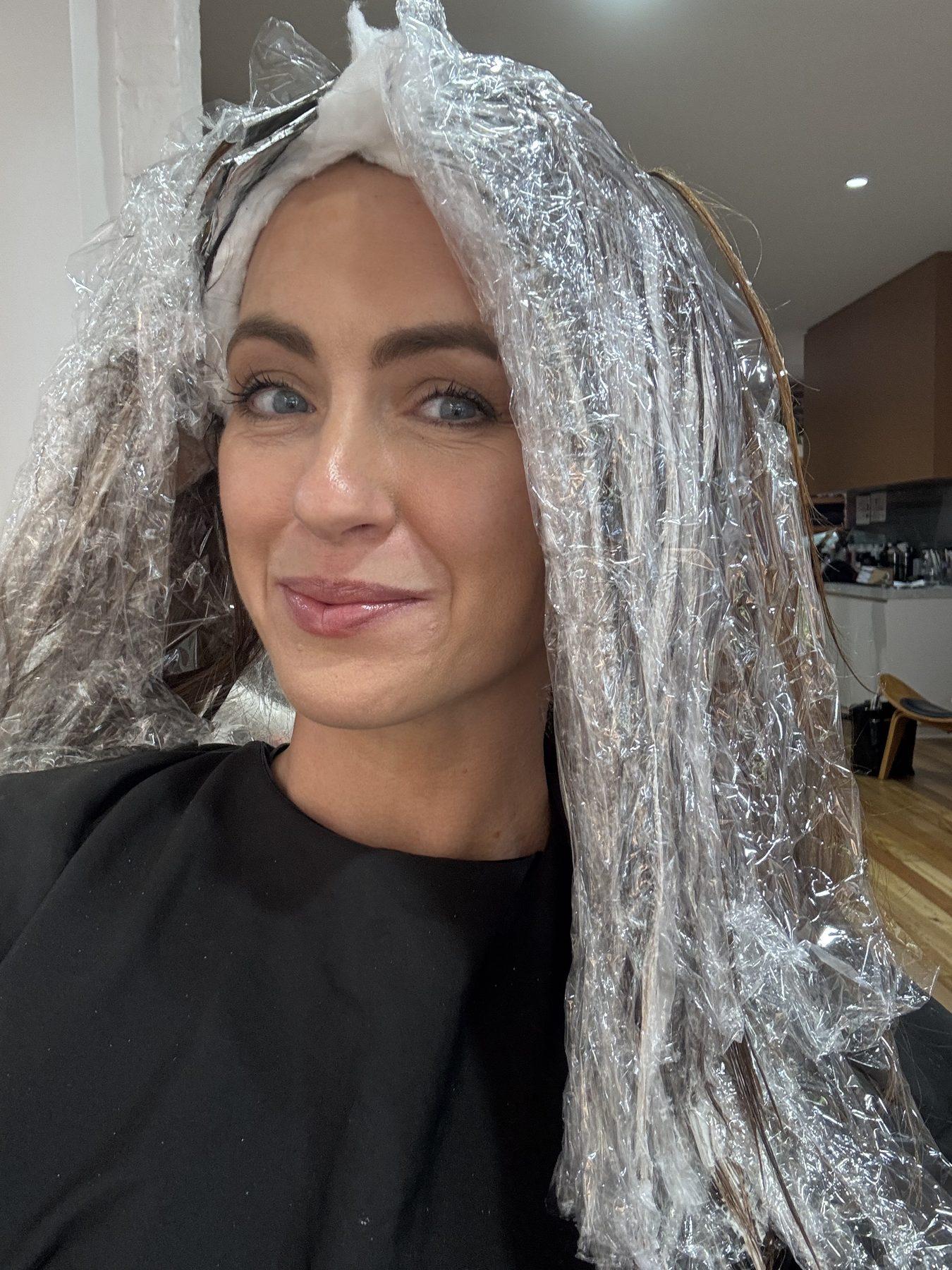
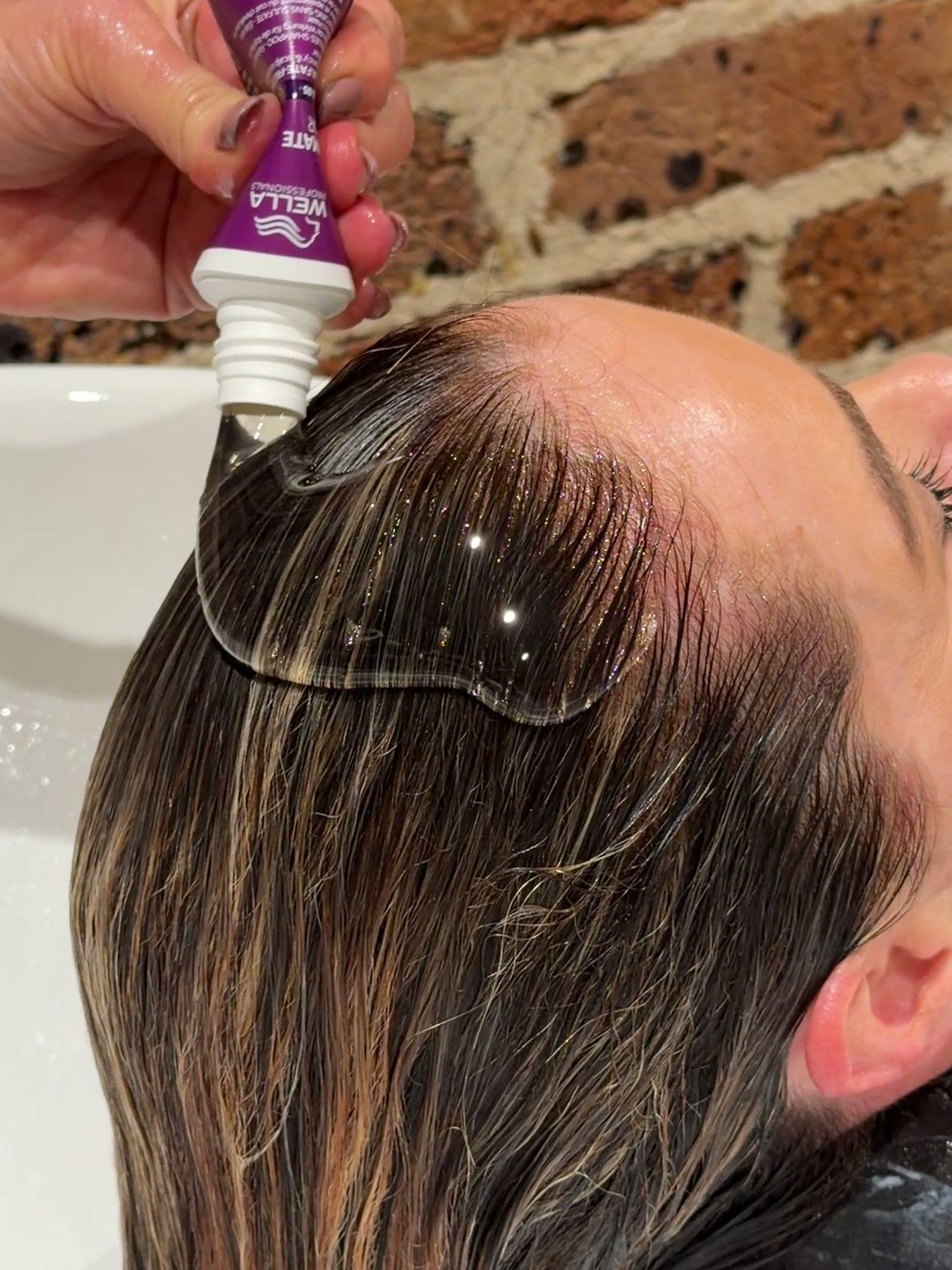
No itch. No heat. No counting the minutes. Which brings me to the questions I've never had time to ask in the chair.
Why can hair dye cause itching, burning or irritation?
Colour is a chemical process, and your scalp is part of it. "Some ingredients used in permanent colour can cause sensitivity, irritation or, in some cases, an allergic reaction," says Monique.
The state of your scalp matters as much as the formula. If it's already dry, compromised or inflamed, you'll feel more in the chair, and so can changes in the body. Monique names menopause, excessive stress and that time of the month. It's why she says "understanding your client's scalp is just as important as understanding their hair."
What's the difference between a sensitive scalp, irritation and a true hair dye allergy?
Monique splits it into three quite different things. A sensitive scalp is simply more reactive than most, and not all the time. "It's not really the colour ingredients, it's how your scalp is at the time," she says. You might feel tightness, tingling or discomfort with nothing visible to see.
Irritation is a direct response to something in the formula or the colouring process, and it shows up as stinging, redness or a burning feeling. An allergy is an immune response to a particular ingredient, with itching, swelling, redness, a rash or even blistering. The part that catches people out is timing. "An allergic reaction can develop after you've used a product previously without any problems," Monique says.
Are ammonia-free, organic or natural hair dyes necessarily gentler?
"Just because something is labelled natural, organic or ammonia-free doesn't automatically mean it's safer or gentler for everyone," says Monique, and she thinks it's an important conversation to have. "Ammonia is only one part of a colour formulation." The other ingredients that make permanent colour work can cause sensitivity too, so she looks at "the entire formulation, not just one ingredient on the label."
Pure Perfection stands out for her because it was built with "a very considered approach to its formulation". It leaves out several ingredients clients now ask about and still performs like a professional permanent colour.
Which hair dye ingredients do people most commonly react to?
PPD (paraphenylenediamine) is the best-known ingredient linked to hair colour allergies, and it's common in permanent colour. PTD (toluene-2,5-diamine) is a related ingredient that can also set off a reaction. Monique adds persulfates (often found in lightening products), hydrogen peroxide and certain fragrance ingredients to the list. "Some can cause irritation, while others may trigger an allergic response," she says.
That's why she finds Pure Perfection "particularly interesting". It's made without PPD/PTD, ammonia and fragrance, among other ingredients.
How should a colourist approach a consultation for someone with a sensitive scalp?
"For me, the consultation is everything," says Monique. "I never want to jump straight into applying colour without understanding my client sitting in my chair."
She asks about previous colour experiences, any itching, burning or irritation, known allergies and what your scalp is like day to day. She wants your hair history, the condition of your hair and what you're hoping to achieve. If a client has reacted before, she takes it seriously. "A beautiful colour result should never come at the expense of their comfort or wellbeing."
What should you do if you've reacted to hair colour before?
Monique's first rule is blunt. "Don't ignore it and don't try to push through another colour appointment." Stop using that colour and see your GP or a dermatologist, who may recommend allergy testing such as patch testing to find the ingredient responsible. "I'd much rather a client take the time to understand their sensitivity than risk another reaction," she says.
Tell your colourist about any past reaction too, even one from years ago. "That information can make a real difference to how we approach your service."
How important is a patch test before hair colour?
"It's incredibly important. I would never underestimate it," says Monique. A patch test shows whether you're likely to react to a colour before anyone commits to a full service, so ask for one if you've ever had sensitivity to permanent colour.
The point she wants every client to take in is this one. "Having used a colour before without a reaction doesn't mean you'll never react to it in the future."
What should you ask your colourist before your appointment?
Monique's advice is to ring ahead rather than raise it in the chair. "Never feel silly asking questions about what we're putting on your hair and scalp," she says. Ask which colour brand they use. Ask whether the formula contains ammonia, PPD/PTD or fragrance, and whether there's an alternative for a sensitive scalp. Ask if you need a patch test, and whether to wash your hair before you come in.
If your scalp is irritated, sunburnt, broken or inflamed, tell your colourist and postpone until it's healthy again. Then be honest about your history. "We can create beautiful colour, but the relationship between a client and their colourist should always start with trust," Monique says.
Her bigger picture is worth ending on. "The future of hair colour is about more than just the shade we create," she says. "It's about understanding the science, respecting the hair and scalp, and making sure our clients feel just as good during the service as they do when they leave the salon."
What changed since 2015?
The first time I wrote this story was in 2015, when I tried Wella Koleston Perfect Innosense, a professional colour built around a molecule called ME+. Wella said at the time it was the result of more than 20 years of research, and it was the first hair colour to receive the approval of the European Centre for Allergy Research Foundation. My colourist then, Belinda Jeffrey of La Boutique, told me she reckoned about 70% of her clients had irritated scalps, and that the number was growing.
That scalp-first question hasn't gone away, which is why Monique reached for something newer this time. I wrote about the reformulated Innosense again in 2018, and that story is still here. And if your scalp is in a mood between appointments, our guides to easing an angry scalp and scalp health are a good place to start.
Whichever colour you choose, ask your colourist whether it suits your scalp, and ask for a patch test first.
Story by Sigourney Cantelo. Colour by Monique McMahon at QUE Colour, Sydney.